October edition 📕
-
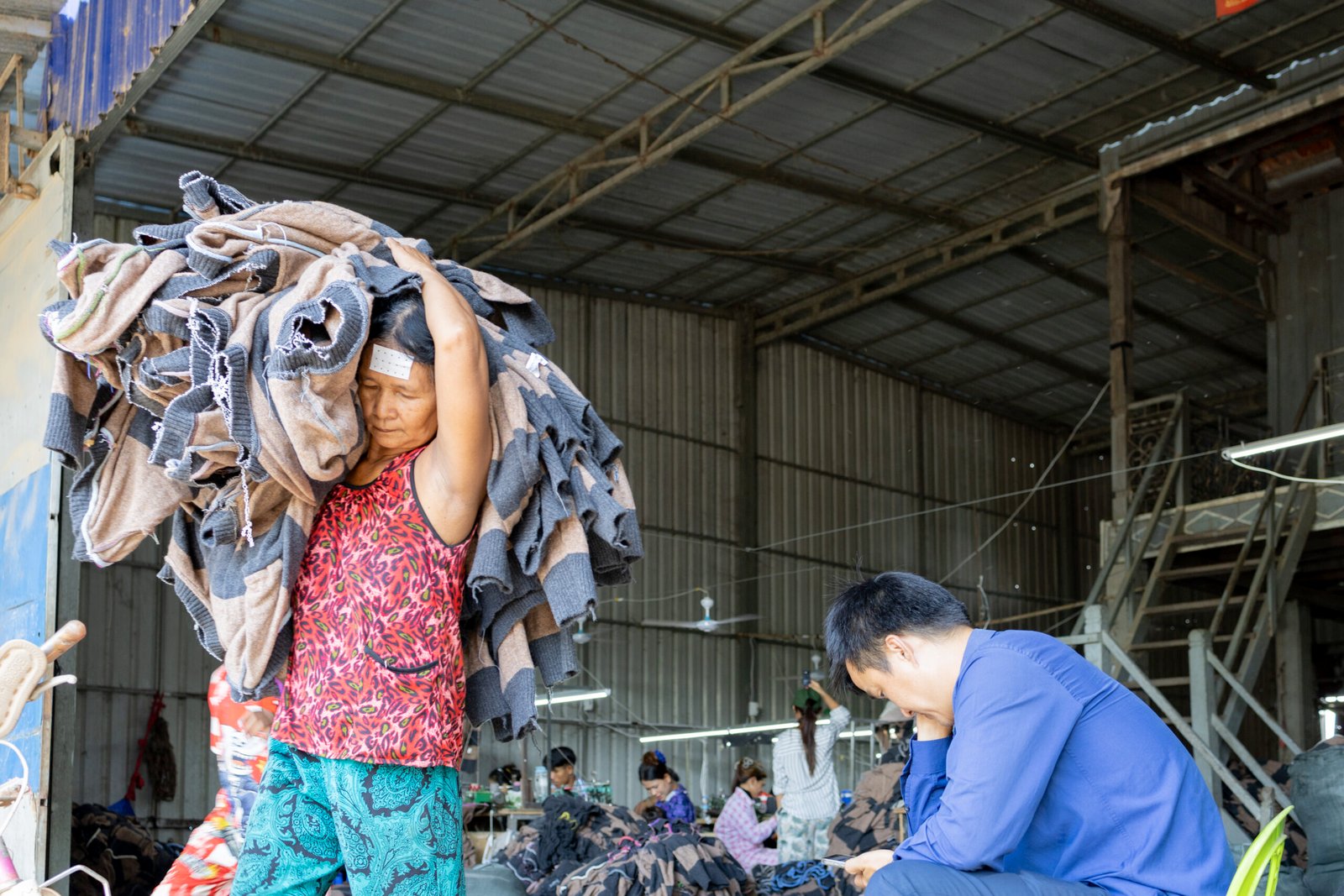
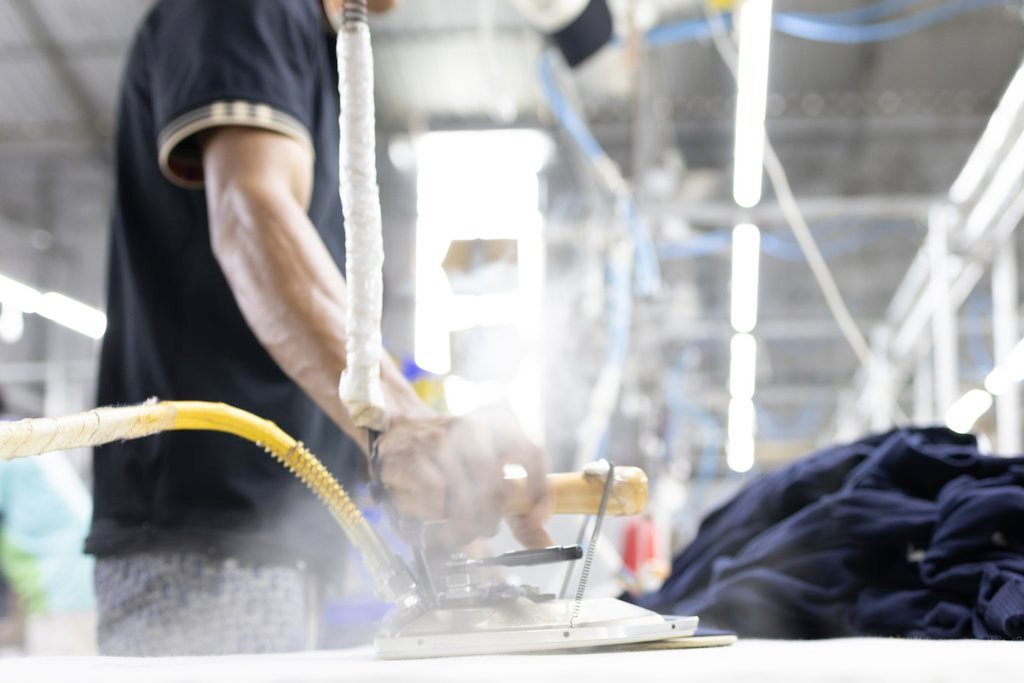
Heat stress growing with targets, strain on workers
Cambodia’s factory workers measured the temperatures and humidity they experienced over several days. From where they sit and work, most of their working hours registered as “dangerous.”

-
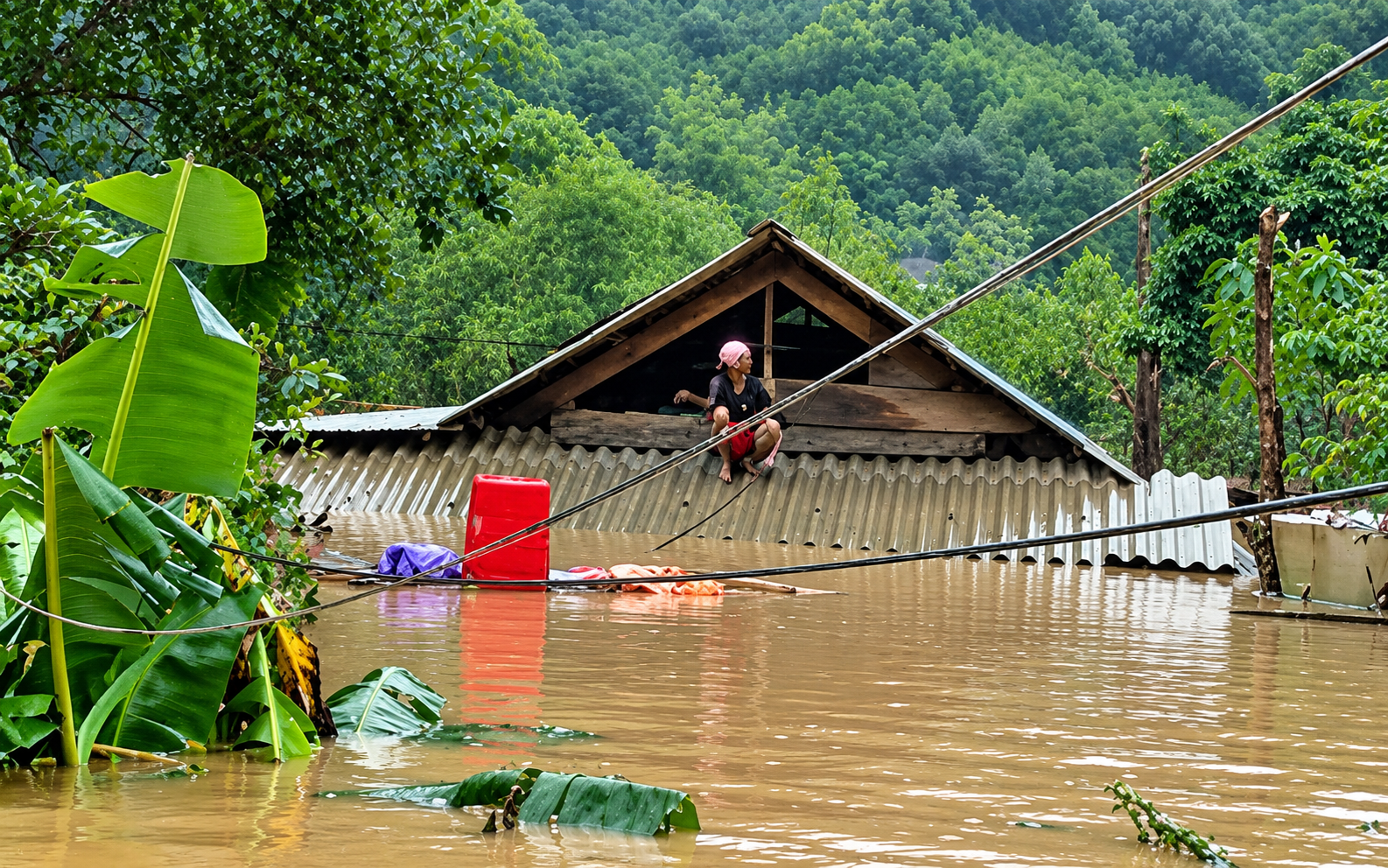
In the Mekong region, coverage of natural disasters can also be a crime
The Lower Mekong is among the world’s most climate-vulnerable regions. But its governments increasingly threaten and arrest journalists covering natural disasters, where corruption and mismanagement often surface.
-
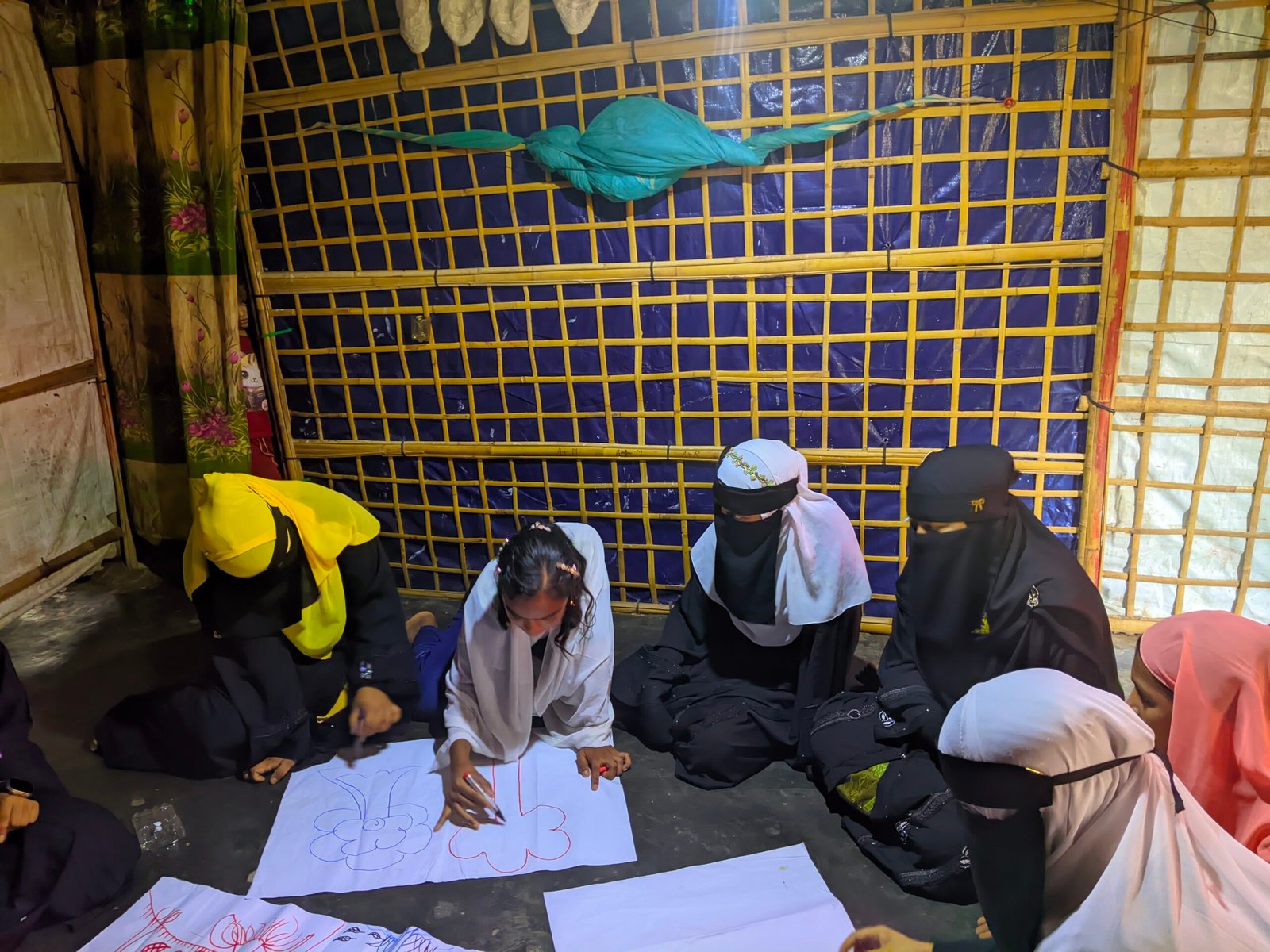
Rohingya children bear rising mental health burden as families struggle to cope
Rohingya children in Bangladesh’s refugee camps are confronting a deepening mental-health crisis as poverty, family problems and uncertainty over their future take a toll.
-
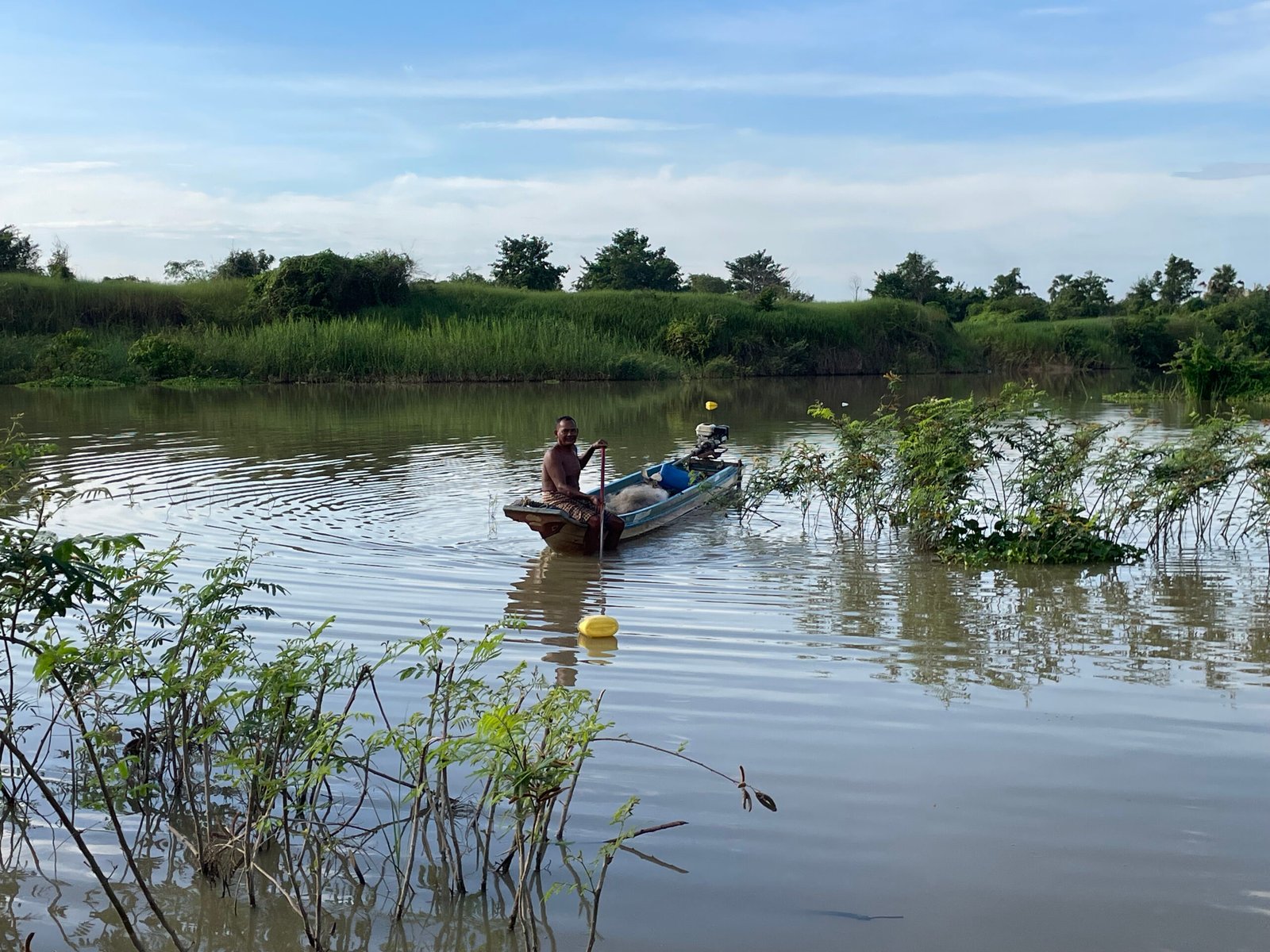
Amid pollution concerns, fishers along Prek Tnaut river are abandoning their trade
In March, dead poisoned fish floated densely on the Prek Tnaut river’s surface. An official report cleared nearby factories of pollution, but fishers are concerned amid visibly black discharges.
-
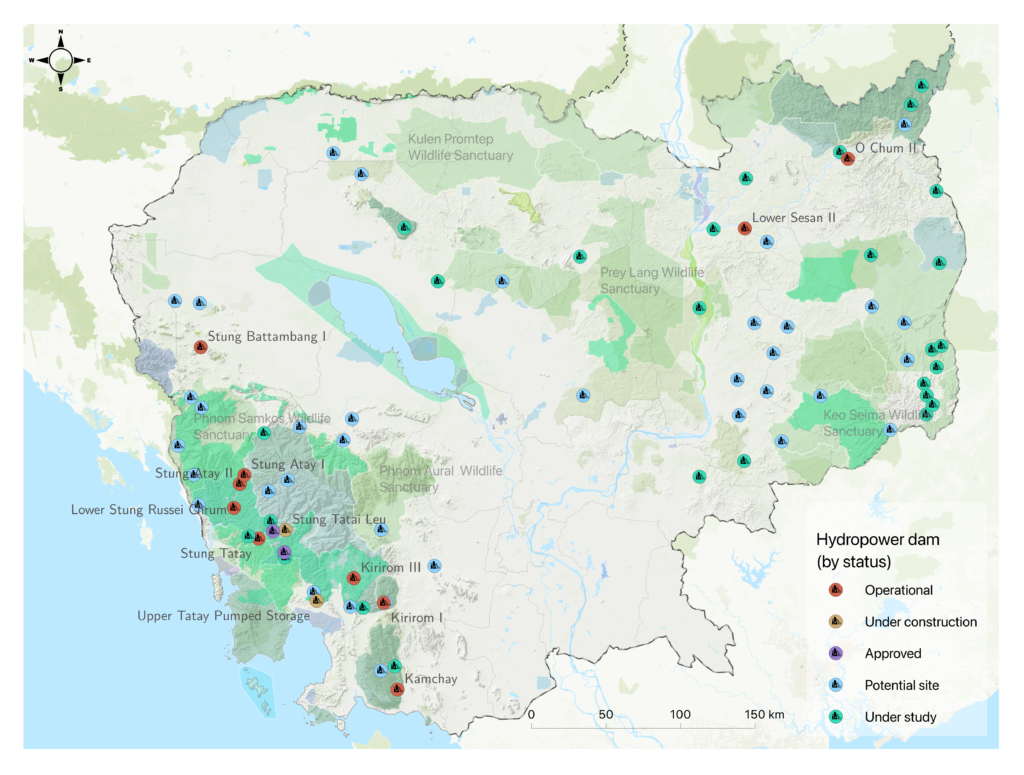
Explainer: Does Cambodia actually need more hydropower dams?
Today, there are 10 hydropower dams in operation in Cambodia, while another 14 are under construction or proposed. Amid concerns over forest loss and community displacement, what lessons can be learned from existing dams? What are the alternatives?
-
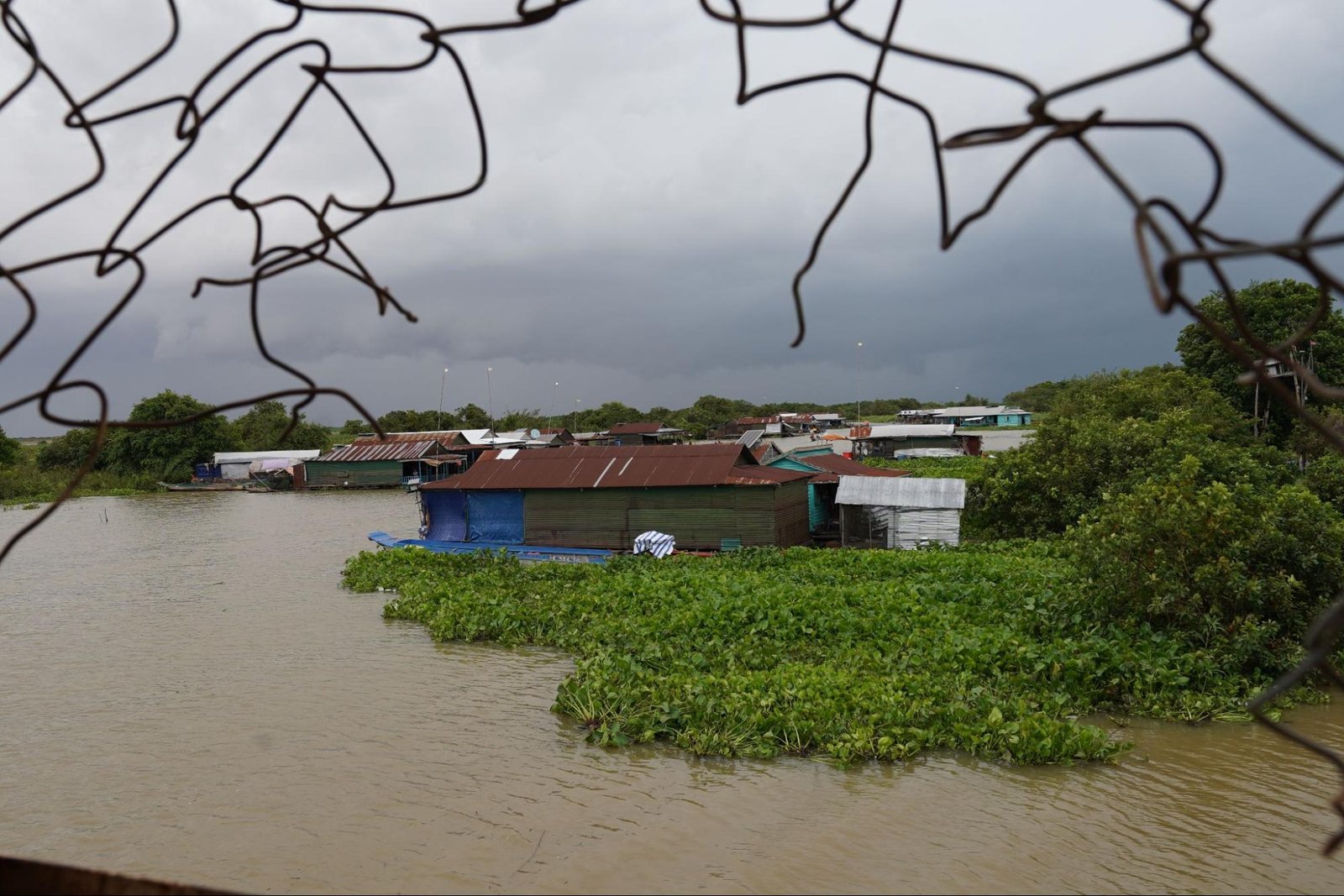
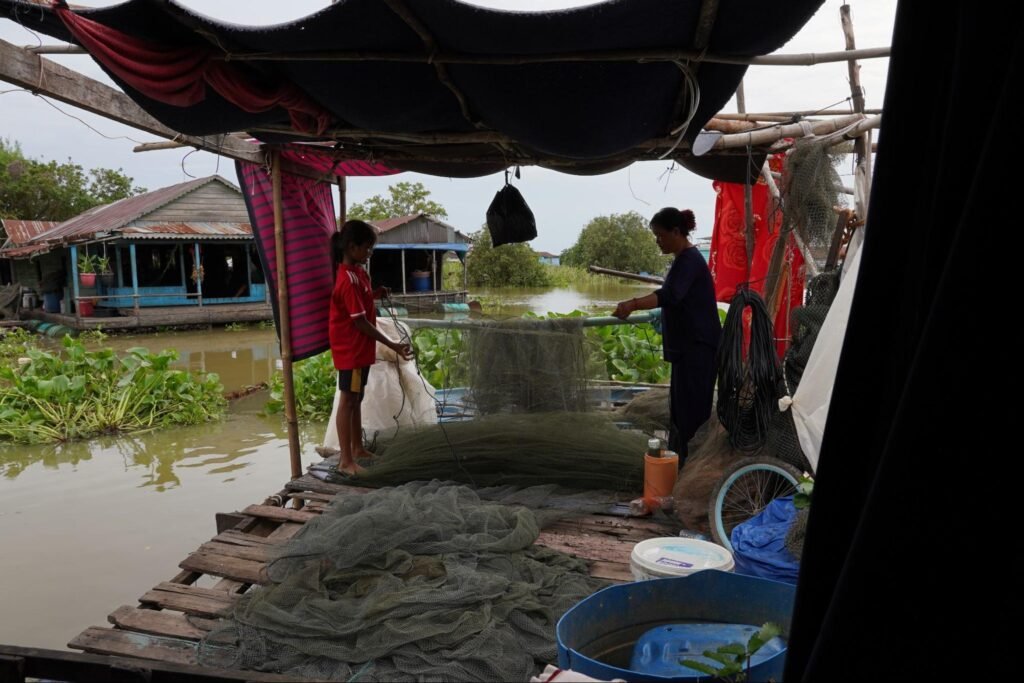
Storms of climate change shake remote lake village
Pheam Ban village is being swept up in the extremes and unpredictability of climate change. Locals are turning to old superstitions and fireworks — and education and cooperatives — to try to drive away the storm.