
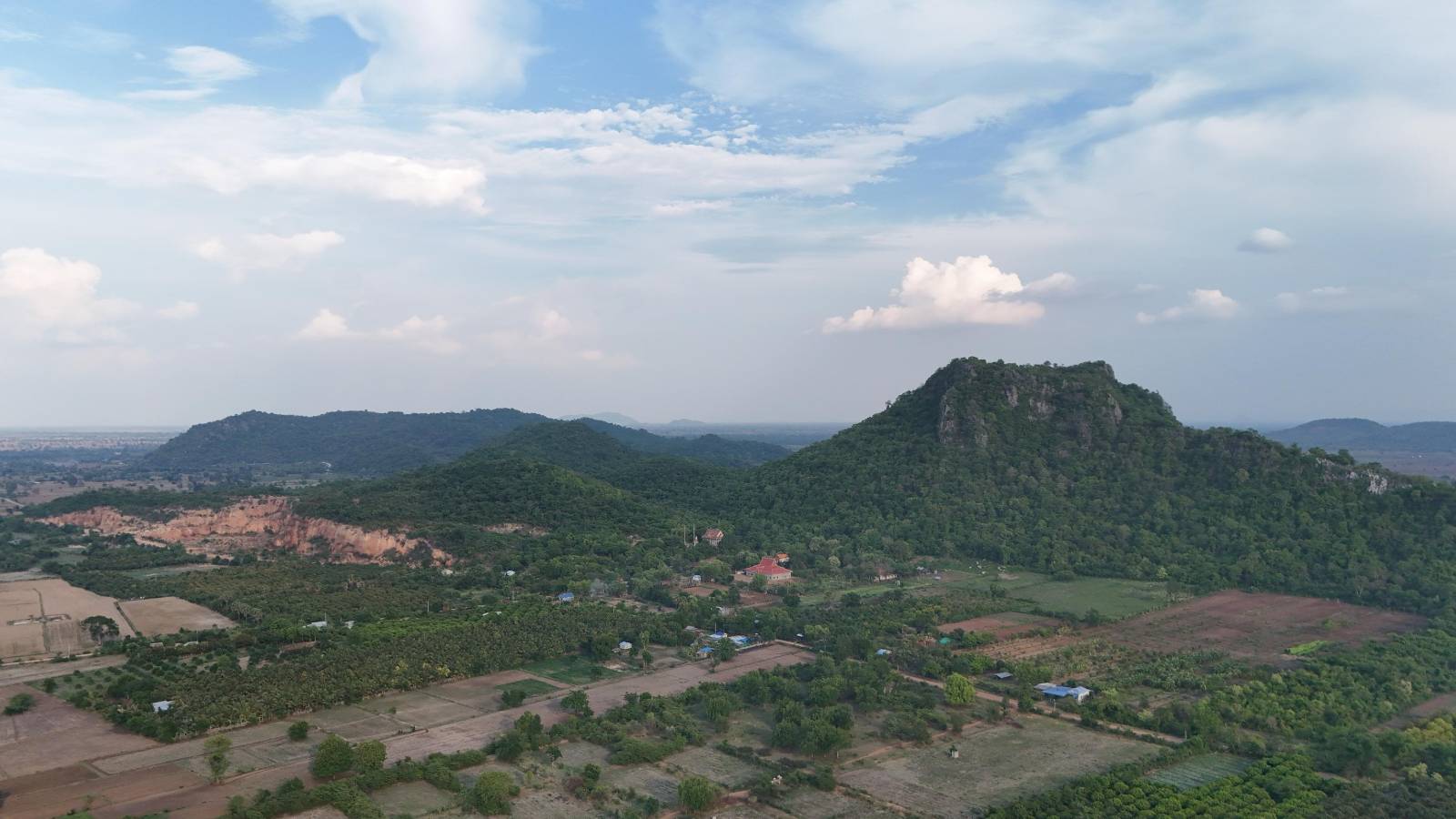
Battambang, Cambodia — In northwest Cambodia’s Battambang, the rare limestone mountains of Phnom Romsay Sok have become a symbol of recovery, where bats that once disappeared are now returning through local conservation efforts led by the community.
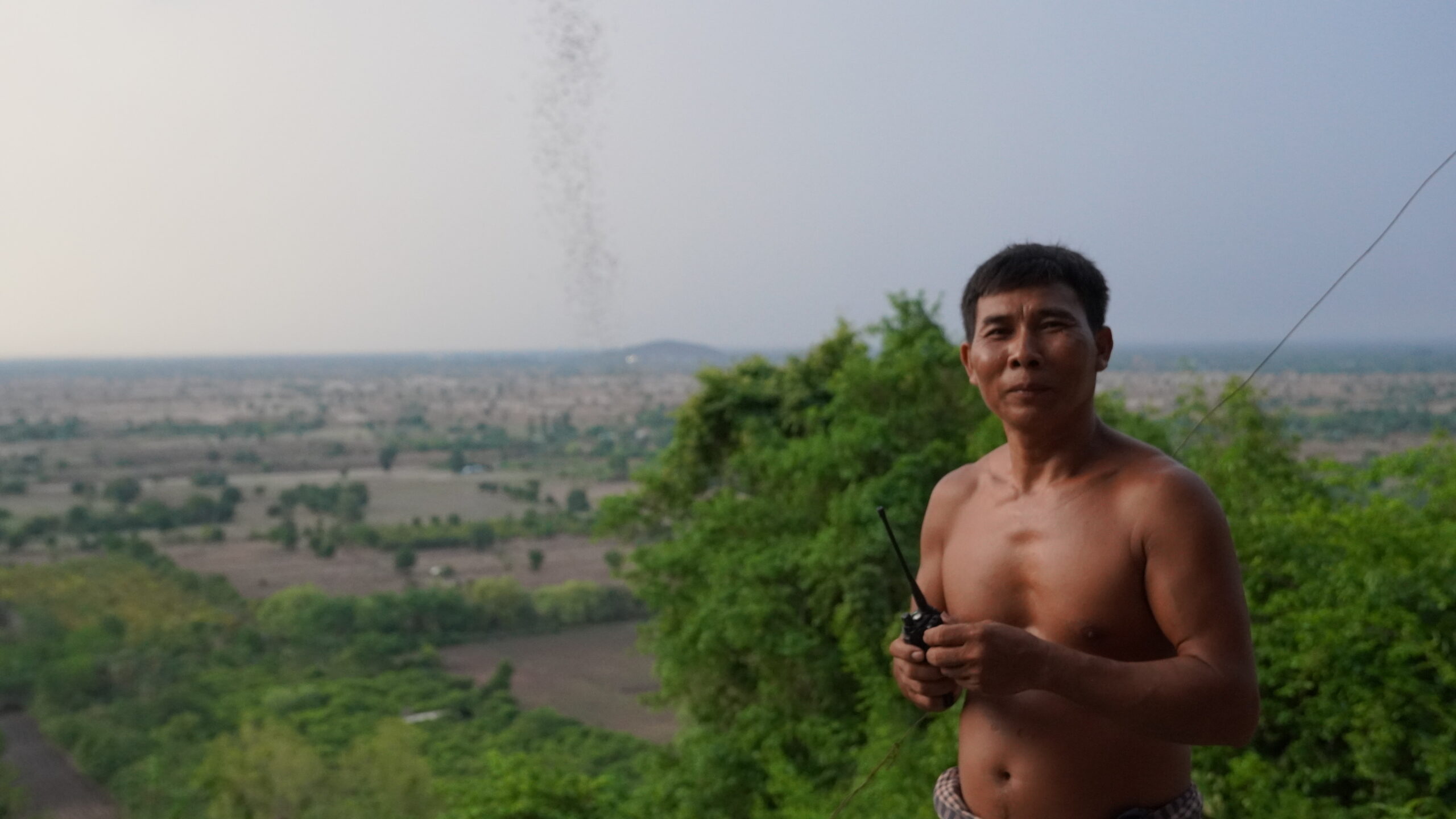
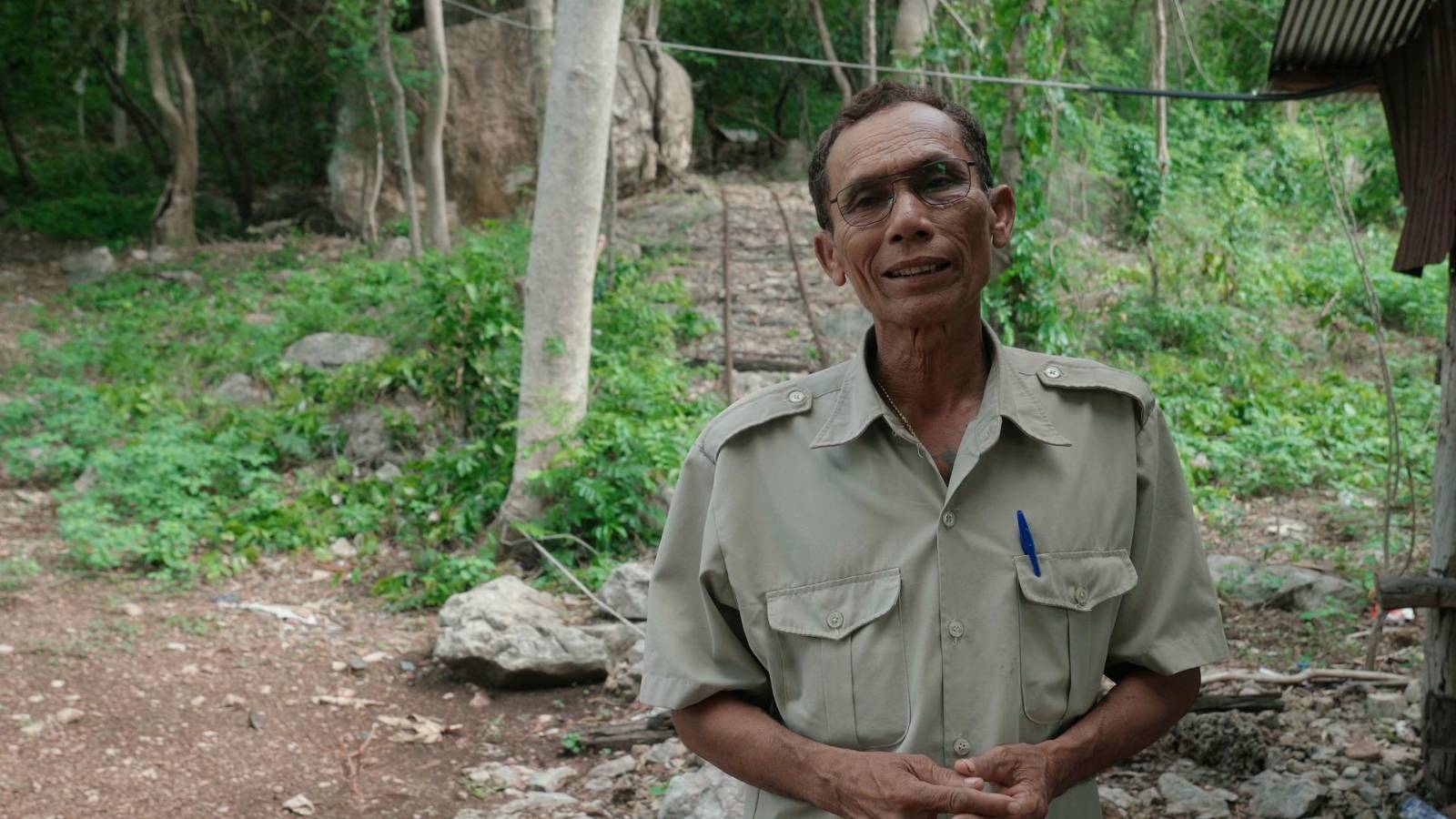
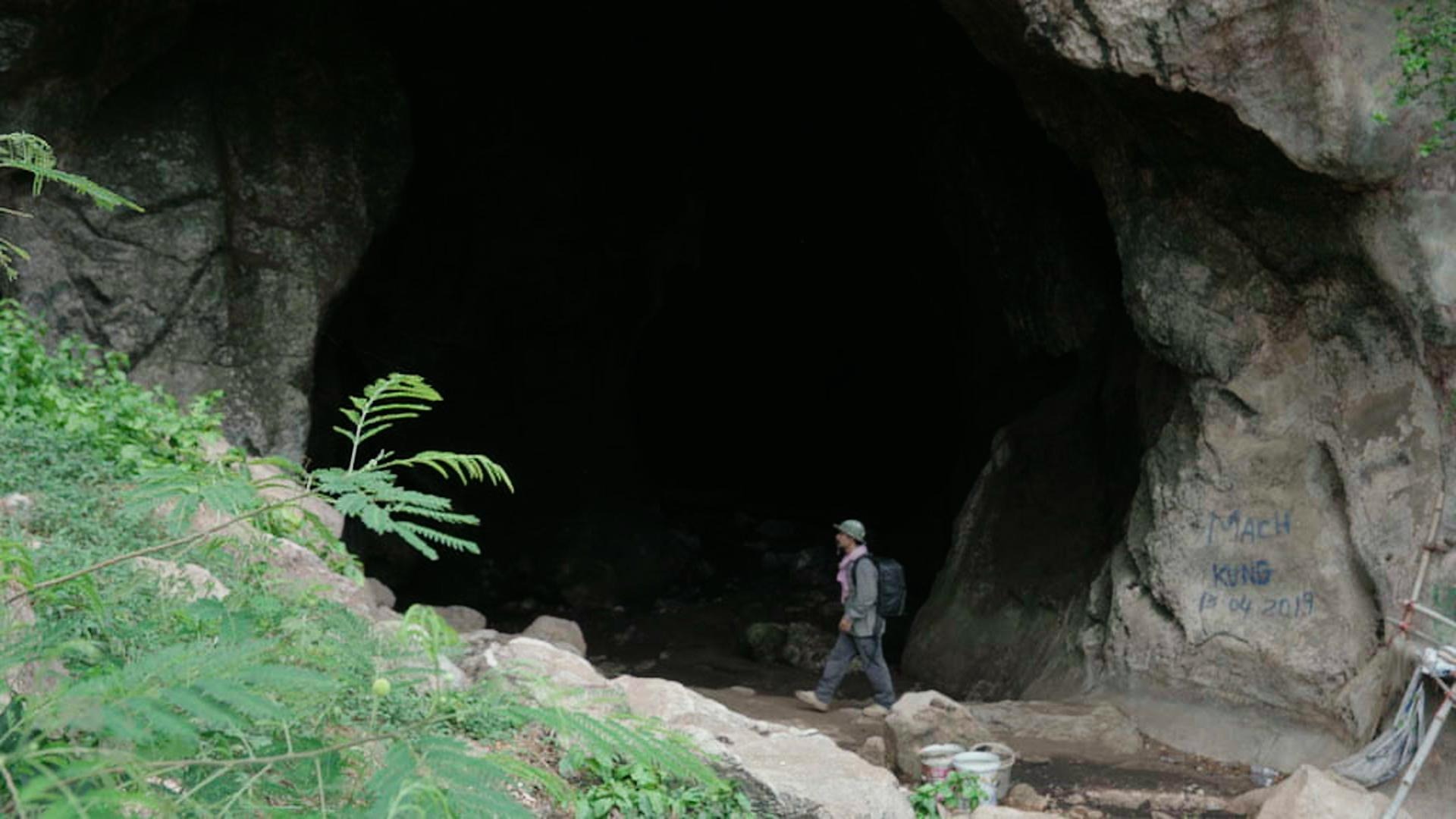
“Before the creation of this community, there were no bats living here. We founded this community forest in 2012; then in 2016, only a few bats started to live in the cave,” said Lonn Bunloeurn, chief of the Phnom Romsay Sok community forest project.
“Bats used to live in this cave in the past. I was born and raised in this village. When I was little, people did not know how to eat them. That was why they lived in this cave. Then in the 1980s, people ate them, and the bat population was destroyed, so bats fled from this mountain.”
But with the creation of the community forest, residents began to see bats as something to protect, not hunt, and bats slowly returned to Phnom Romsay Sok.
“After we founded the community, made rules, and educated villagers, people began to understand the benefits of protecting bats. They do not destroy our crops but help control insects. Their guano can also be used as fertilizer,” Lonn Bunloeurn said.
“By 2017, their numbers had increased. Today, there has been an increasing number of bats living in this cave.”
Across Cambodia, however, the limestone karst ecosystems that are home to bat caves face growing pressure from mining, tourism and infrastructure development, threatening wildlife and ecological balance.
“Some karst mountain areas have been developed into tourist destinations, causing disturbance to bats through lighting, smoke, and large numbers of visitors, which can sometimes kill them,” said Chourn Phyroum, protected areas specialist at Fauna & Flora. “During March or April, when bats are giving birth, they can lose their babies.”
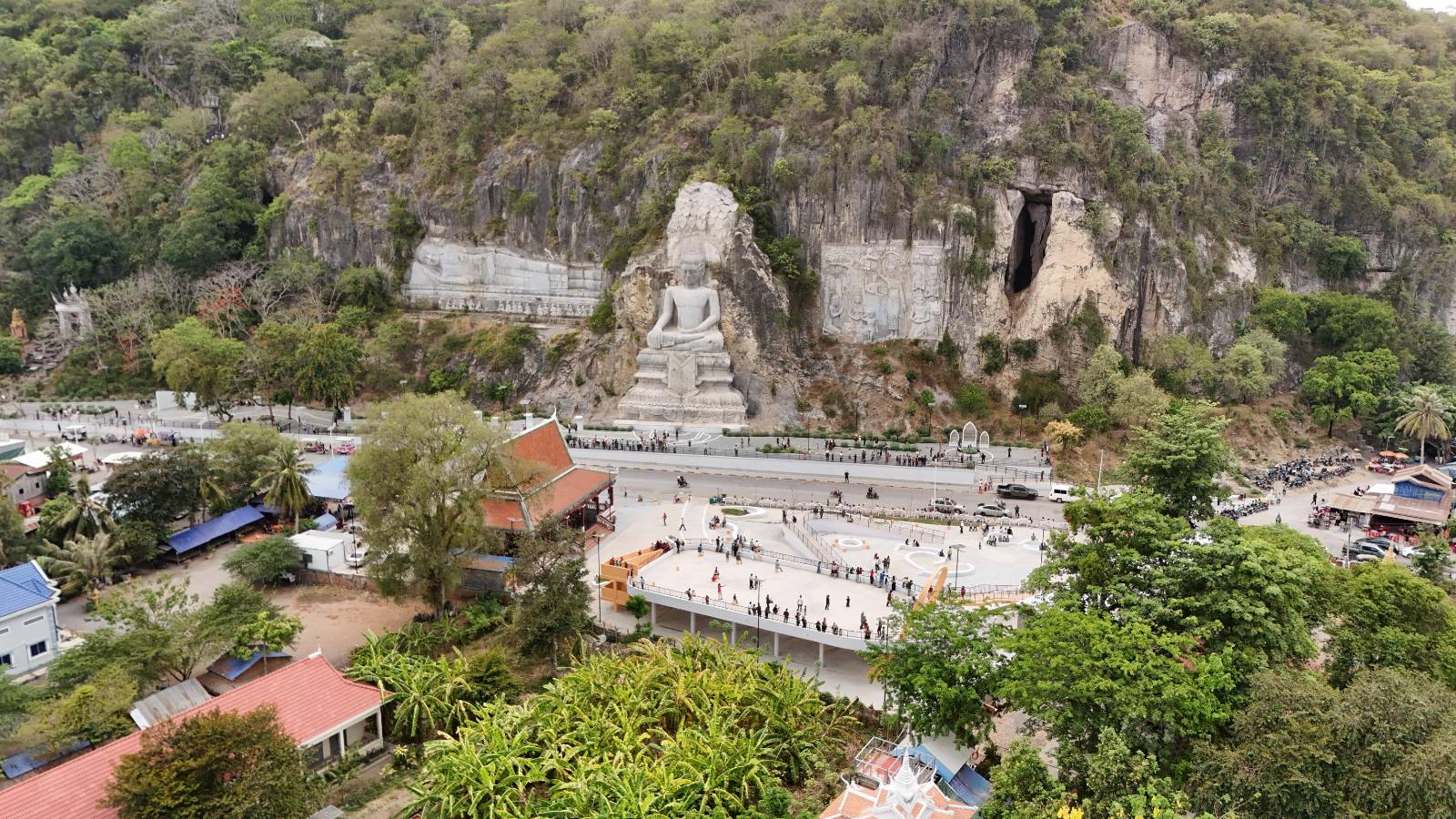
“Another threat is that some karst areas are being turned into cement factories for infrastructure and construction purposes,” Chourn Phyroum added.
Cambodia currently has six cement factories. A seventh is expected to be operational in early 2027. They will likely increase pressure on limestone quarrying.
Last month, Prime Minister Hun Manet told the Cambodian Cement Manufacturing Association that it would extend tax incentives for cement products for two years until the end of 2028.
The association told Kiripost that the existing six firms produce 12 million tons of cement a year.
“The development of karst mountains into cement or quarry sites will destroy natural resources. We, as ordinary citizens, do not have much power to express our desire to protect this natural treasure. This community was founded without funding, only through volunteering, to preserve forests, wildlife, and bat populations for future generations,” said Lonn Bunloeurn.
In March 2026, Fauna & Flora and Cambodia’s Ministry of Environment developed cave management guidelines aimed at balancing conservation and sustainable use, ensuring caves continue benefiting local communities in the future. But conservationists say there’s more to do.
“Across Cambodia, there are 95 identified karsts covering about 12,000 hectares of land, but only 11 locations are registered,” said Chourn Phyroum. “We should continue working to register all 95 karst mountains. The more that are registered, the better they can be protected. These landscapes took millions of years to form, and they host many new species.”
“I want policymakers to ensure sustainable conservation and development while avoiding irreversible destruction of karst mountains. Once they are gone, they cannot be recovered.”
New species important to science have been found in Cambodian caves across the country. These karst landscapes remain underexplored, and they hold extraordinary ecological and scientific value.
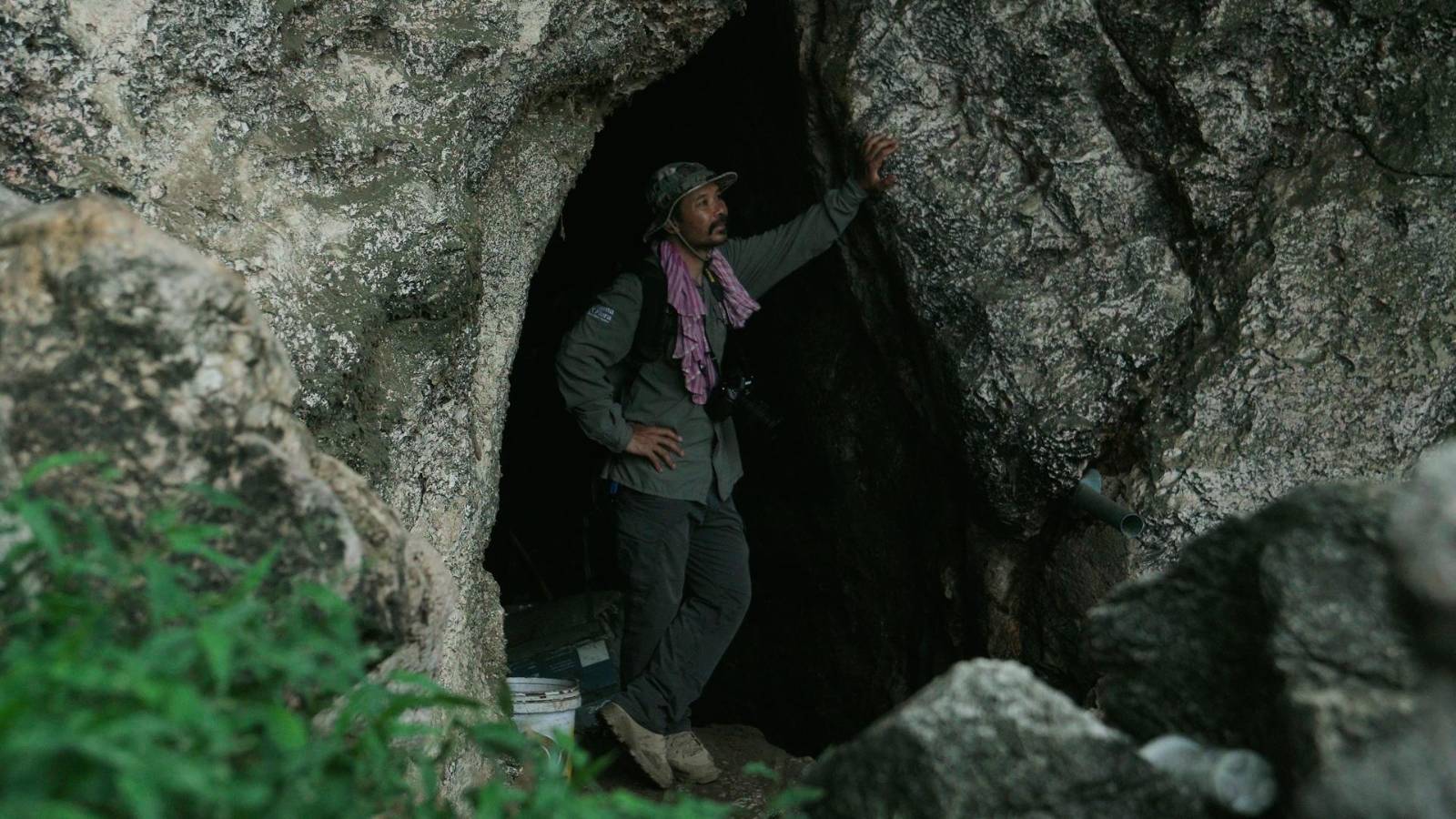
“I am the guardian of the bat cave. I want to see involvement from the public. People should love and protect these bat caves. There are many beautiful caves here, and it would be better if bats could safely live in them,” said Mach Kong, a local resident.
“Bats need their protectors. Otherwise, there will be bat destroyers. We, as protectors, must stand against destruction.”
This article’s text is published as Creative Commons. For questions about licensing the video and photos, please contact Nehru.