
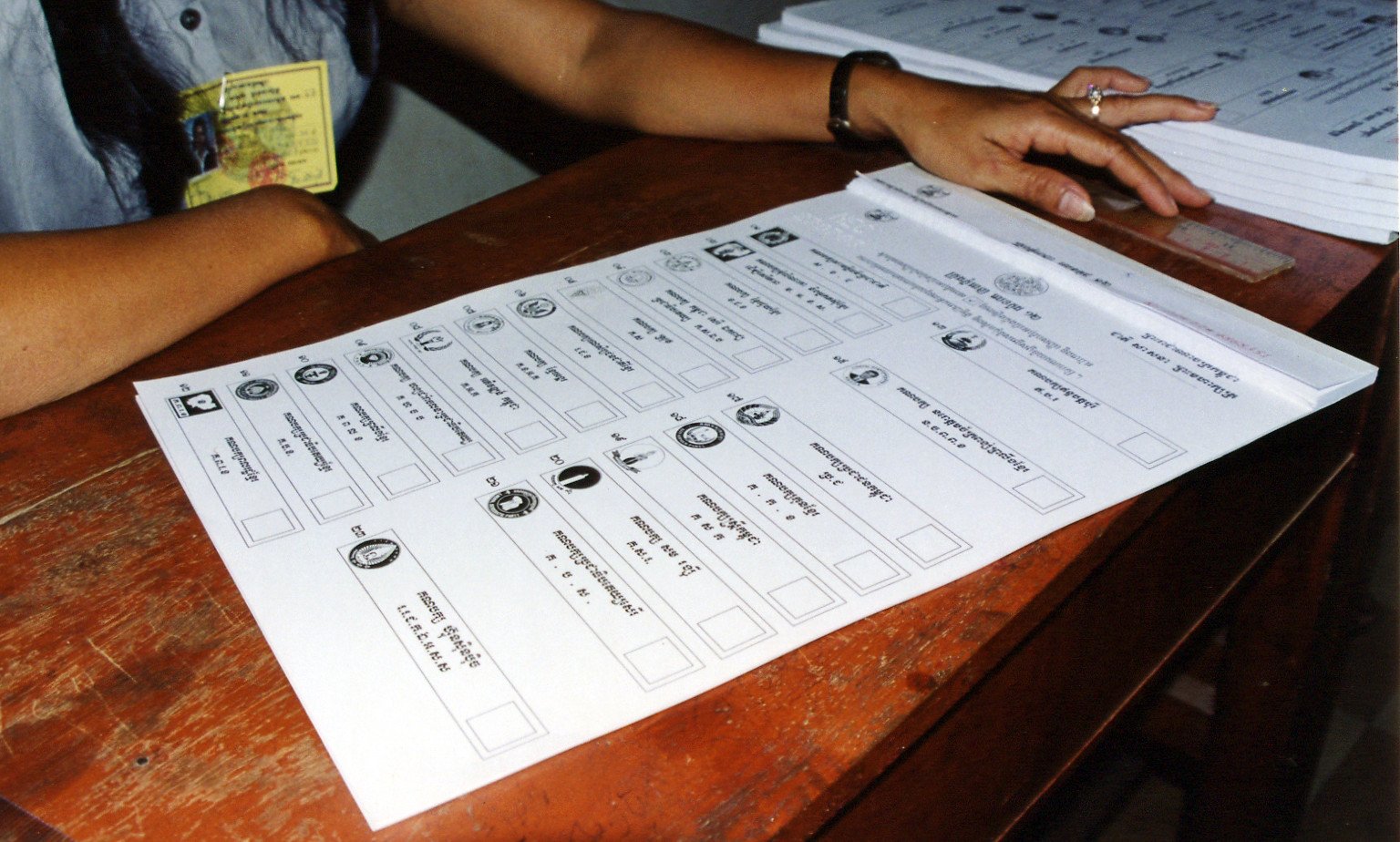
Sophoan Seng is president and founder of the Committee for Elections Rights of Overseas Cambodians (CEROC) and former president of the Khmer Overseas Election Commission (KOEC).
Opinion — As we mark the ninth anniversary of the dissolution of the Cambodia National Rescue Party (CNRP) on November 16, 2017, we are reminded of a dark turning point in Cambodia’s modern political history. This anniversary is not merely a date; it represents a continuing, chronic crisis that has crippled our nation’s democratic trajectory, fractured our society, and severely undermined public trust in the rule of law and national institutions.
Nine years ago, the Supreme Court of Cambodia — presided over by Chief Justice Dith Munty alongside an eight-judge panel and prosecuted by General Prosecutor Chea Leang — issued a ruling that dissolved the country’s primary opposition party. This decision nullified the democratic will of nearly 3 million citizens, nearly half of the total eligible nationwide voters population who had voted for the CNRP in the previous elections. Furthermore, it imposed collective political punishment by banning 118 senior leaders from political life for five years, stripping away 55 National Assembly seats, and seizing 5,007 sub-national council seats, including 489 commune chief positions.
The consequences of that fateful day did not end in 2017. Instead, they paved the way for the flawed national elections of 2018 and 2023, which lacked genuine political competition, excluded major opposition voices, and resulted in a de facto single-party parliament. These elections dealt a heavy blow to the principles enshrined in the 1991 Paris Peace Agreements and the 1993 Cambodian Constitution, which mandate a multiparty liberal democracy.
This political exclusion is the ongoing disenfranchisement of millions of Cambodian citizens living and working abroad. As the founder of CEROC, I have long advocated for the rights of overseas Cambodians — including migrant workers in Thailand, South Korea and Japan, as well as diaspora communities in Western democratic countries. These citizens contribute hundreds of millions of dollars annually to support their families and sustain the national economy. Yet they remain entirely cut off from participating in their homeland’s future development because the government and the National Election Committee have failed to establish overseas voting mechanisms, denying their fundamental rights to participate in political affairs stipulated under Article 34 of the Constitution.
Furthermore, the state of Cambodia’s justice system remains deeply concerning. The lack of institutional independence within the judiciary and the Supreme Council of the Magistracy has transformed the courts into instruments of political control. A double-standard justice system prevails, where dissent is swiftly punished while corruption and human rights abuses often go unaddressed.
As we look ahead to the upcoming commune elections in 2027 and the national elections in 2028, genuine reform is urgently needed if Cambodia is to regain domestic legitimacy and international standing. A credible, free, and fair election cannot take place under the environment of fear and political suppression.
To restore the nation to a true democratic path, several critical steps must be taken without delay:
- Restore political inclusivity: Reopen the political space to allow all political actors, including former opposition members, to participate freely without legal barriers.
- Release political prisoners: Immediately and unconditionally release all jailed human rights defenders, environmental activists, and political prisoners, while fully restoring their civic and political rights.
- Ensure safety for exiled leaders: Provide clear legal guarantees of security and freedom from prosecution so that exiled politicians and critics can return home safely.
- Enable overseas voting: Create transparent, accessible legal and logistical mechanisms to allow overseas Cambodian citizens and migrant workers to exercise their constitutional right to vote.
- Reform key institutions: Substantively reform the National Election Committee and the judicial system to guarantee absolute independence, neutrality, and the end of selective justice.
The ninth year of the CNRP’s dissolution should serve as a wake-up call. Healing our national wounds requires courage, commitment, and a genuine commitment to national reconciliation. Only by embracing true political pluralism, respecting human rights, free and fair election, and upholding the rule of law can Cambodia secure a peaceful, prosperous, and democratic future for all its citizens.