
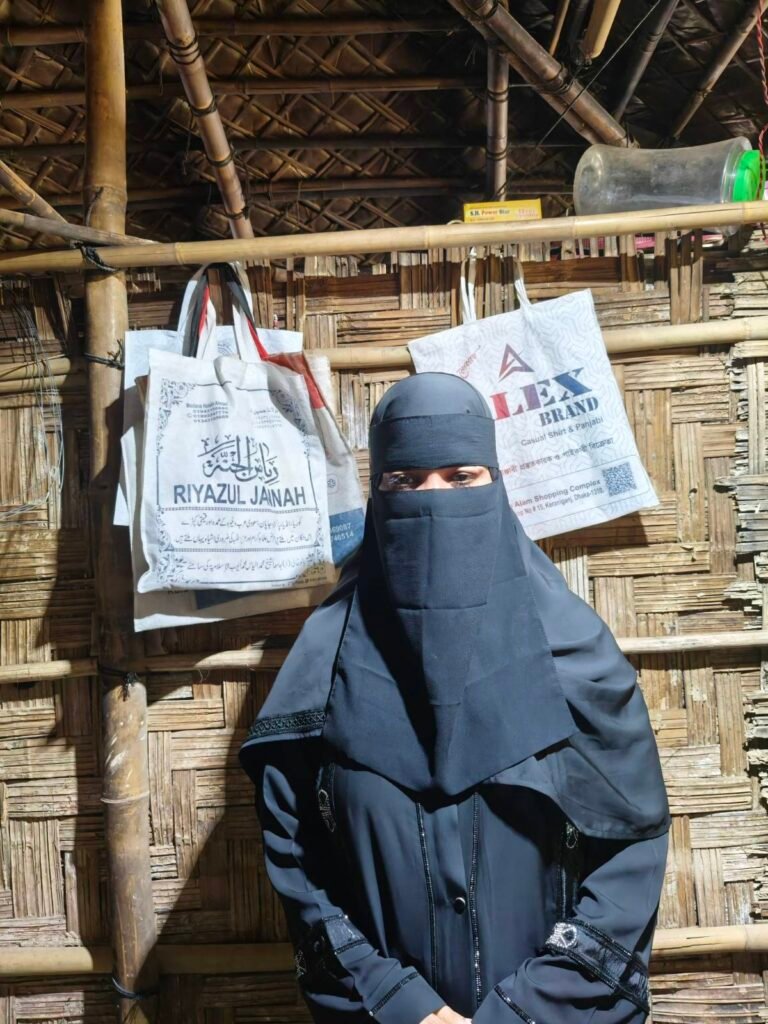
Rahela Begum suffered years in an abusive marriage before she decided she couldn’t take it anymore.
At 25 years old, she was a Rohingya refugee in Cox’s Bazar, Bangladesh, which holds the largest refugee camp in the world. Her husband of five years beat and verbally abused her when she did not produce a child.
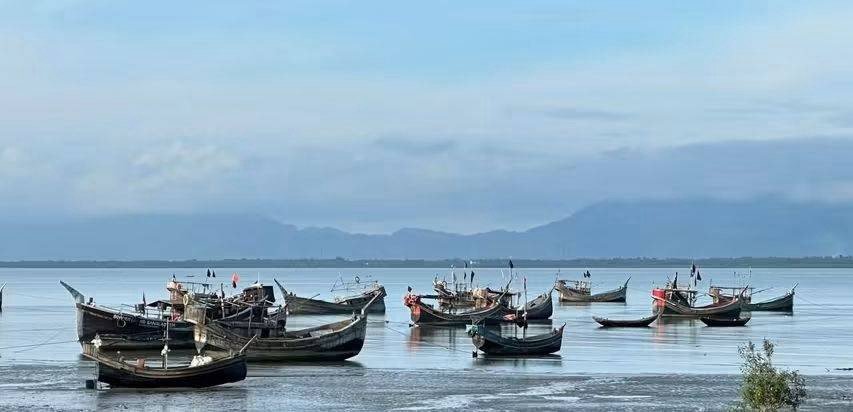
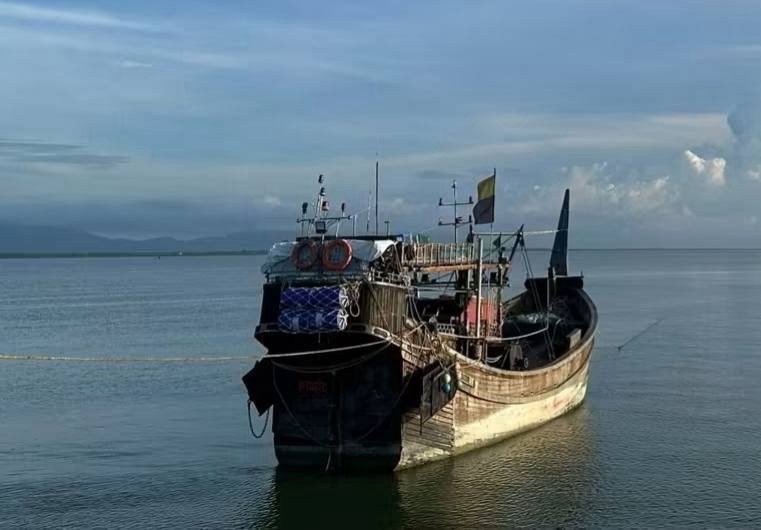
On March 29, she traveled to the southern coastal city of Teknaf, and arranged passage to Malaysia with an agent. She didn’t tell anyone she was leaving, fearing they would force her to stay. She says she was held in a boat for several days in the ocean until all passengers were collected.
They set off for Malaysia in early April in a boat packed so tightly, she could barely move.
“The boat was full of people,” she said. “I could just see people’s heads.”
In the early morning hours of April 9, the boat began to sink off the Ayeyarwaddy coast of Myanmar. Rahela Begum clung to a piece of flat wood, believing she was going to die.
After escaping the 2017 genocide in Myanmar at the hands of the military, over 1 million Rohingya live in refugee camps across Bangladesh, vulnerable to armed group violence, kidnappings, limited vocational or educational opportunities and an uncertain future.
Despite Rohingya families living in western Myanmar for generations, the government officially denied the group Myanmar nationality under the 1982 Burma Citizenship Law. Decades of blockades, bans on education and travel, and reduced employment opportunities left Rohingya disenfranchised and subject to violence, poverty and illness in Rakhine State.
Deteriorating camp conditions in Bangladesh following the Covid-19 pandemic and an outbreak of violence again in 2021 following the Myanmar military coup spurred another wave of dangerous maritime migration.
From 2021 to 2026, thousands of people are believed to have died or disappeared in transit to Thailand, Malaysia and Indonesia. But delayed response from search and rescue teams, limited international governance in identifying bodies and the clandestine nature of such migration routes have made it difficult to know the true number of missing and deceased persons.
Rahela Begum was one of only nine people who were pulled aboard by rescuers from a boat of hundreds.
Some people managed to cling to plastic drums. Others struggled in the water or floated motionlessly by her.
She stayed in the water for two days, treading water and struggling to breathe, until she saw a Bangladeshi cargo vessel approaching. Utterly exhausted, she was pulled on board with a rope.
A ‘minimum number’
When she was returned to Bangladesh, she says government officials in Teknaf mainly asked her why she decided to take the risky journey and tried to identify the smugglers.
While official reports state about 250 people were in the boat, Rahela Begum claims there were dozens more.
The International Organization for Migration’s Missing Migrants Project, as well as the U.N. refugee agency UNHCR, are two of the key organizations tracking deaths and disappearances in areas where Rohingya maritime movements are common. IOM’s Missing Migrant Project tracks deaths and disappearances in this region by triangulating data from NGOs, U.N. agencies, news and media monitoring, as well as interviews with witnesses and survivors.
“Systematic documentation of migrant deaths and disappearances remains limited,” said an IOM spokesperson.
IOM recorded 2,579 deaths overall across the Bay of Bengal, Andaman Sea and Naf River area from 2021 to 2025, adding that it should be considered the “minimum number.” This figure includes mostly Rohingya individuals.
Verifying reports can be challenging due to the clandestine nature of migration, land migration movements that are obfuscated by Myanmar’s conflict and boats that go undetected.
“We usually try to have more than one source talking about the incident. It needs to make sense within the larger migration context that we’re familiar with,” the spokesperson said..
“We always record the minimum estimates of the people who have lost their lives. And these two methodological decisions are really just based on, we want to make sure that what we’re publishing can be verified,” they added.
The group said that it doesn’t include instances that don’t “fulfill a certain threshold verification” in official data.
Unreported incidents
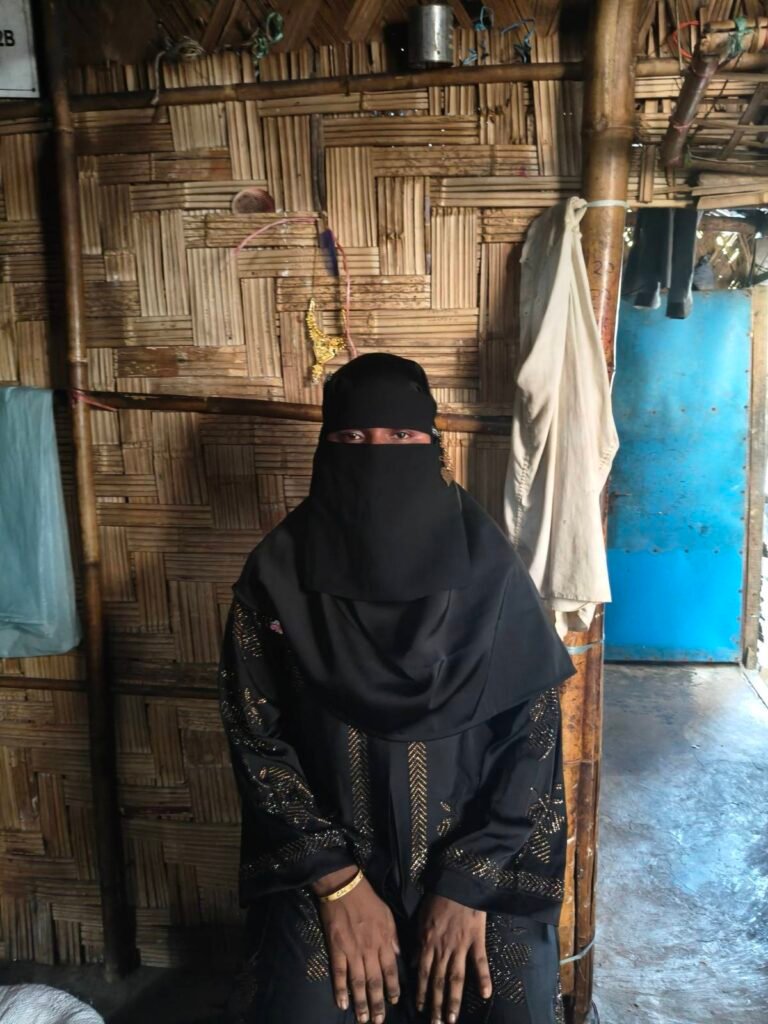
A 29-year-old asking to be identified as Khotiza said she was abducted on September 8 with several other women while attempting to go to the hospital. Her taxi driver, whom she identified as a human trafficker, brought her to Camp 26, where she was held captive with 20 other people.
Days later, they forced the group onto a boat off the coast of Teknaf and brought them to Sittwe, the capital of Myanmar’s Rakhine State. A trafficker called Khotiza’s mother, Laila, and extorted her for 30,000 Bangladeshi taka (US$242).
“I was panicked. I heard nothing, and nothing came out of my mouth,” Laila said about the call.
The traffickers discussed putting Khotiza on a boat to Malaysia, but decided to send her back to Bangladesh when nearby clashes made a journey south more complicated.
But around 2 a.m. on September 22, her boat capsized off the coast of Teknaf. The Bangladesh Coast Guard rescued 16 people and handed them over to the police.
The bodies of a 3-year-old child and a 25-year-old woman were recovered, while one woman remains missing, Muhammed Saiful Islam, officer-in-charge of Teknaf Model Police Station, told Bangladeshi outlet The Daily Star.
These deaths were extensively covered in local news and reported in IOM’s Missing Migrants Project database.
However, INGOs may face difficulties verifying reports of Rohingya deaths and disappearances at sea when incidents go unreported, said researcher and youth advocate Shew Maung Thein. Media coverage may leave out incidents in remote areas, such as along Myanmar’s Ayeyarwady coast and Malaysia’s Langkawi Islands.
Additionally, they may struggle to get reliable information from brokers and traffickers, who would know this information more precisely.
However, smugglers also may refuse to tell families exactly what’s happened during the voyage.
While they collect basic information about passengers, one smuggler asking to remain anonymous says he sometimes blindly assures families the boats will reach their destination soon, even if he’s lost contact with the ship himself.
Other times, he simply changes his phone’s SIM card to avoid their calls.
Deadly journeys
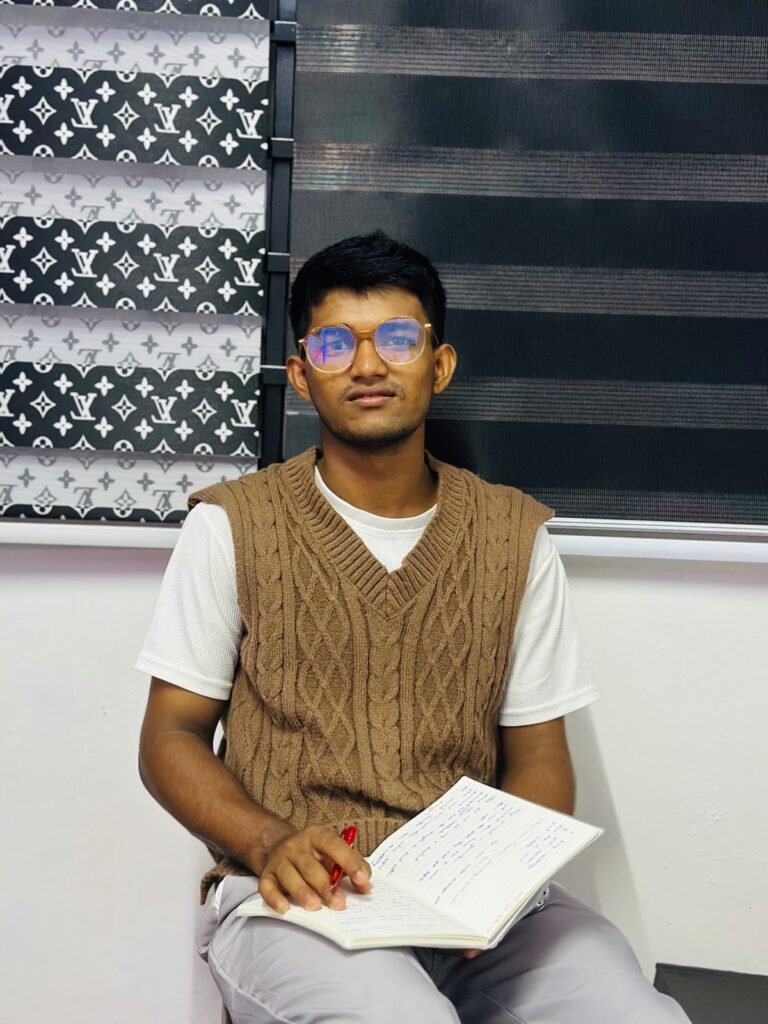
Maung Hla, a 20-year-old refugee, says he left Bangladesh in October 2025 after being kidnapped and beaten due to his activism.
During the journey, his group was transferred from one large boat into several smaller ones. One of these small boats capsized in the Andaman Sea.
The Missing Migrants Project recorded a boat sinking near the Thai-Malaysian coast around November 6, with two additional boats sailing with it disappearing. From these incidents, 36 bodies were recovered, 14 survivors were rescued by authorities and 250 people are still missing.
The Missing Migrants Project said it received some reports that other survivors may have been rescued by another boat, but was unable to confirm the number of people.
Maung Hla estimates he arrived in Malaysia on November 7, making it possible he was on one of the ships that disappeared, but added that several deaths occurred due to dehydration even before he was transferred to a smaller boat.
“From the boat, eight people died due to water before [we reached] Thailand,” he estimated, adding that their bodies were released into the sea. “I also prayed on the boat, their funeral prayers.”
Mekong Independent could not find any other record of their deaths.
Maung Hla identified four of the men as Rohingya teachers, but didn’t know the remaining victims. Another Bangladeshi man was killed by the smugglers when he begged for water, he said.
Outside of boats capsizing, many people may also die of disease, dehydration and starvation while on board, said Dr. Antje Missbach, a professor of sociology at Bielefeld University, who has studied Rohingya migration since 2015.
“In a non-distress situation, that number can be quite substantial in some cases, right?” Dr. Antje Missbach said. “So these bodies, they always get discarded into the sea, so there’s never going to be a burial.”
UNHCR data indicates that of 6,500 Rohingya who made sea journeys in 2025, about 900 people died, according to a statement released in August.
It noted that 1 in 7 people traveling in the Andaman Sea and Bay of Bengal die, calling it “the highest mortality rate worldwide of any route for refugee and migrant sea journeys.”
Other sources give similar numbers. According to Rohingya activist Myo Naing, 2026 could surpass previous years in both departures and deaths.
Through data collected from families, community reports and human trafficking networks, he said that more than 6,000 Rohingya undertook dangerous sea journeys between January 1 and October of 2026 from both Bangladesh and Rakhine State. He estimates that approximately 1,000 people died at sea, the vast majority Rohingya.
IOM’s data from January 1 to August 31, 2026, includes the deaths of 839 individuals as of August, which includes 120 Bangladeshis.
Pushing back boats
Identifying how many people died in these types of accidents, as well as who they are, is challenging for many reasons, says Dr. Antje Missbach.
Without any identification, bodies may be buried in anonymous graves when they wash up, she added.
“It’s difficult to know, because bodies do sink, they might wash up again a few hours later, or a few days later,” she said. “They’re going to be in very bad shape, but also the currents might take them quite far.”
Human bodies disintegrate quickly in the water, and unless search and rescue organizations come at the right time during a distress call, coming up with an accurate number of casualties can prove challenging.
Search and rescue may also not come at all.
Maritime space is subject to several international conventions, leaving “ambiguous legal terrain,” Dr. Antje Missbach noted in research on Rohingya boat migration published in October. Coastal nations may choose certain rules to follow and ignore others.
Under Article 98 of the United Nations Convention on the Law of the Sea, or UNCLOS, countries are responsible for search and rescue operations, and “to proceed with all possible speed to the rescue of persons in distress,” within its maritime territory. Myanmar, Bangladesh, Thailand, Malaysia and Indonesia have all ratified this convention.
While Rohingya are spread across Indonesia, Bangladesh, Malaysia, Myanmar and Thailand, among other countries, they are largely stateless. None of the listed countries are signatories to the 1951 Refugee Convention. Bangladesh and Malaysia are currently at the center of controversial repatriations coordinated with the Myanmar junta.
Under international law, all countries are bound to non-refoulement, or not returning people to countries where they face clear threats of persecution or their life is in danger, according to UNHCR.
Despite this, human rights organizations have accused Southeast Asian countries of delaying search and rescue missions and pushing boats back into international waters.
“It’s also very unlikely that if a situation of distress happens, that such rescue organizations would be there immediately,” Dr. Antje Missbach said.
“Our observation, rather, has been that they are delaying or ignoring these rescue calls.”
Tracking missing persons
For families of the missing, few options exist to track down loved ones.
When Muhammed Shaker contacted his mother in Cox’s Bazar after arriving in Malaysia, she was stunned he had survived.
He had lived in Bangladesh for nine years, working as a teacher, before he came to Malaysia. His mother lost touch with him from the time he left on May 12 until after he arrived on May 26.
“My mother asked me, ‘What is your sister’s name? What is your father’s brother’s name? What is your father’s name? And where are you from?’” he said. His mother believed he had died on the crossing and thought the smugglers were impersonating him.
Only one man died on Muhammed Shaker’s boat during the crossing. Although he didn’t know whether the man was Bangladeshi or Rohingya, he said the man was not mentally well.
He talked frequently about his two children. Before the boat reached Thailand, he jumped in the water and drowned, Muhammed Shaker said.
“The sailor did not recover him, and they did not save him,” he said.
Mekong Independent could not find any records of this man’s death.
IOM said that while people report disappearances to them, the organization is not involved in the process of personally identifying people who die or go missing. It added that missing persons cases are usually referred to the International Committee of the Red Cross, or ICRC, which runs Restoring Family Links to help locate missing family members.
ICRC did not respond to Mekong Independent for comment on the number of open or solved missing cases from Rohingya families.
“Under international law, States have an important responsibility for search and rescue, as well as efforts to clarify the fate of missing migrants,” the IOM spokesperson said. “To the best of our knowledge, however, systematic mechanisms for searching for and identifying missing migrants remain limited.”
Identifying victims is “almost impossible” due to the expense of forensic testing, availability of labs and dental records and complicated governance that would be required to obtain genetic material and contacting families, Dr. Antje Missbach said.
“There’s all the kind of administration that you would require, that maybe even in the best of peacetime, might not exist for all people,” she said.
“There’s not a lot of interest, at least not in the receiving states, to shed more light into the dark.”
Starting over
For families that are reunited after failed crossings, the toll can be significant.
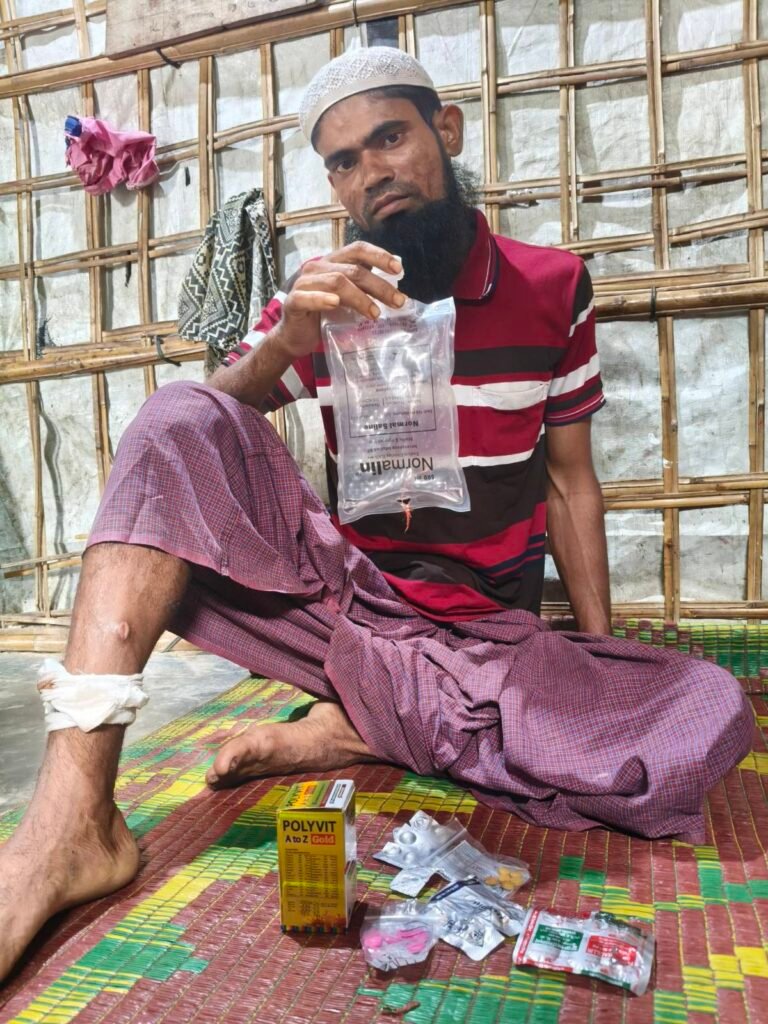
A man called Shobik offered 35-year-old Hossain Ahmed work in a betel nut garden in Teknaf, which he eagerly agreed to. The humanitarian aid he received in Camp 14 wasn’t enough for his family to live on, and he accepted Shobik’s offer to drive him to his new workplace.
But shortly after the drive into the countryside, Hossain Ahmed was beaten by 12 men, who held him hostage for four days. They agreed to release him for 70,000 taka ($563), which his wife, 31-year-old Jamalida, borrowed from neighbors.
The traffickers never released him. Instead, he was taken onto a boat with about 60 others, who were tightly packed under tarps with no food or water. The boat broke soon down after a rough day at sea.
A fishing vessel later recovered the group, which was sent back to Teknaf. Sixty-five people were rescued from trafficking to Malaysia, according to a statement from the Bangladesh Navy, adding that 11 suspected traffickers were arrested.
Hossain Ahmed still lives with chronic pain after being beaten. His family can’t afford treatment.
“The man who tricked me is still walking around the camp freely with no action from any authorities,” he said. “I just want justice and I want the authorities to take action against him so that no one else has to suffer what I have gone through.”
Similarly, Khotiza, who survived the boat sinking off the Teknaf coast, came back to find that her husband had left her for another woman and her shelter in the camp had been sold.
Her mother is still in debt from paying her ransom.
“I have lost my husband and my shelter,” Khotiza said. “How will I survive now?”
Others manage to arrive safely after the dangerous journey, only to find that there are new issues to deal with in their host country.
Muhammed Shaker says that life in Malaysia also feels dangerous. Working construction in Malaysia’s Selangor State, he worries about frequent raids, and anti-Rohingya sentiments are commonplace in the country.
He plans to return to Bangladesh some day, but hopes he can go back by plane this time instead.
“Malaysia doesn’t have any safety, security,” he said. “Now, I’m living out of my room to save my life.”
This article is published as Creative Commons.