
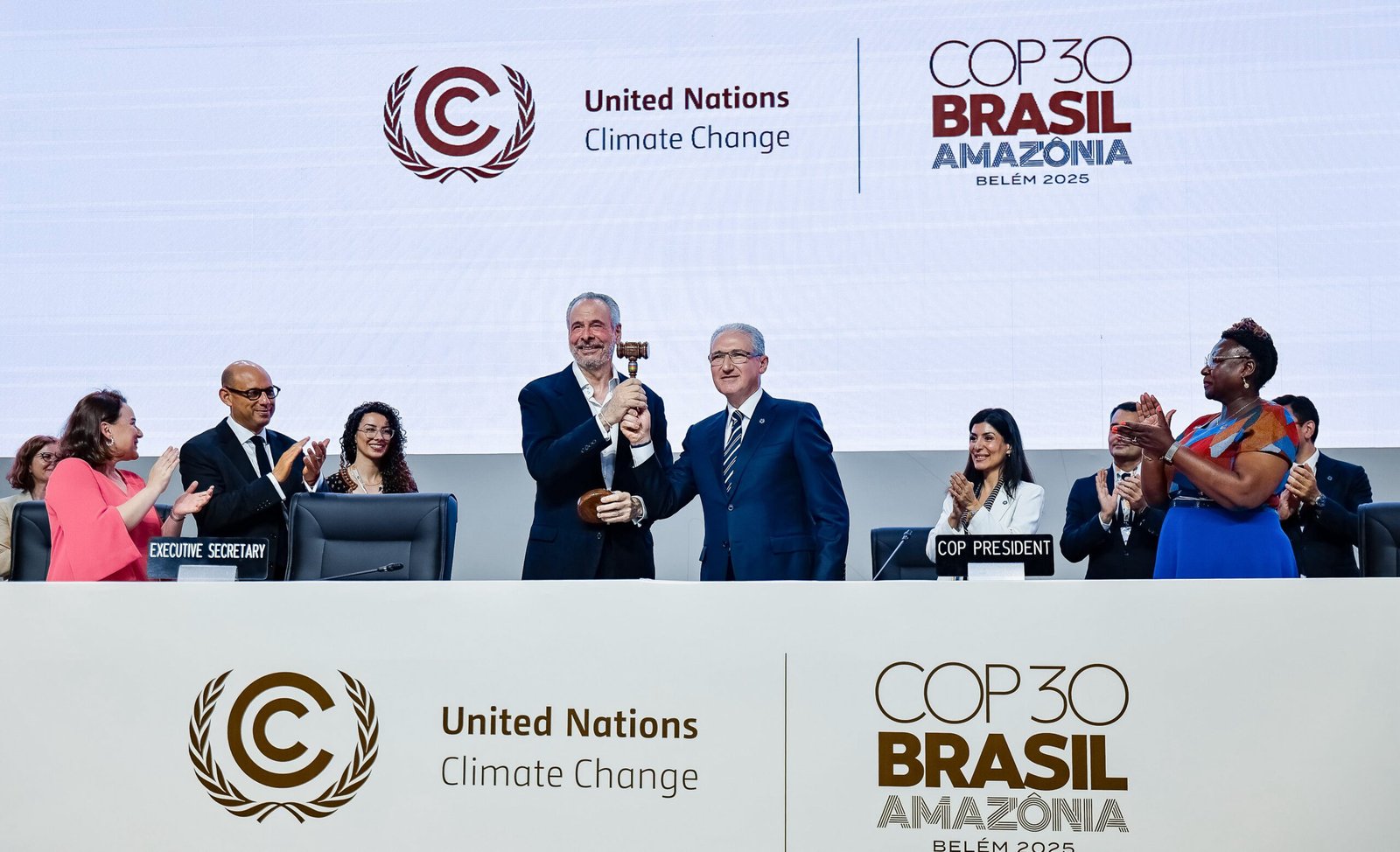
The 31st United Nations Climate Change Conference, or COP31, will bring governments, scientists, businesses, Indigenous communities and civil society to Antalya, Turkey, from November 9-20, to once again debate how much responsibility highly-developed polluting nations should take, and what can be done to soothe the wreckage and poverty wrought by rising global temperatures.
For Cambodia, it is more than another global meeting: It is a test of whether the country’s climate commitments — and the finance needed to deliver them — will reach the communities and ecosystems that bear the brunt of climate change impacts.
Last year, Cambodia made an ambitious pledge to reduce its emissions up to 55% by 2035, via renewable energy and reduced deforestation, but officials claim they need simple, direct climate finance programs in order to realize those goals.
What lies ahead at COP31?
COP31 is the 31st Conference of the Parties to the UNFCCC (United Nations Framework Convention on Climate Change) — the world’s annual climate summit, the parent treaty of the Paris Agreement adopted in France on December 12, 2015, aimed to prevent global average temperature from rising more than 2 C above pre-industrial levels, and ideally to keep this rise below 1.5 C. At COP31, governments will negotiate rules, finance, adaptation plans, and collective action to address climate change.
The stakes are climbing in tandem with temperatures: A study published earlier this year shows the climate is warming faster than before, and the Earth could exceed the Paris Agreement’s 1.5 C goal within the next three years.
What makes COP31 distinctive is who is in charge. Turkey will host the summit and be in charge of logistics and lead the action agenda. Meanwhile, Australia will be responsible for facilitating negotiations and guiding countries towards agreements and outcomes. Moreover, Australia also hosted a pre-COP in the Pacific which took place from October 5 to October 8 in Fiji.
The June Climate Meetings (SB64) concluded in Bonn, Germany, advancing negotiations ahead of COP31, where the focus will be translating text into tangible action. They set out 10 major themes that include electrification and transition from fossil fuels to clean energy sources, zero waste and methane emissions reduction, food security, oceans and seas, among other topics.
Why does COP31 matter for Cambodia?
COP31 arrives at a difficult moment. Global emissions remain high, climate impacts are intensifying, and many developing countries say the finance promised to help them adapt has been slow, complicated or delivered as debt rather than grants.
A central issue will be climate finance. At COP29 two years ago, governments agreed on a new collective goal to mobilize at least $300 billion annually for developing countries by 2035. At COP30 in Belém, Brazil, countries called for adaptation finance to be at least tripled by 2035. COP31 will need to clarify how that money will be raised, who will provide it, and how developing countries can access it.
Cambodia has repeatedly called for climate finance that is predictable, affordable, accessible, and available through simplified direct-access procedures.
According to a U.N. report published last year, Cambodia in 2021 received $502 million in climate-related development finance, with $101 million in grants and $401 million offered as loans.
Last year in Brazil, Cambodia’s Environment Minister Eang Sophalleth and diplomatic representatives argued that financing mechanisms that come out of the climate conference are too slow, overly complex, and inadequate for countries facing severe climate impacts.
Cambodia’s climate commitments
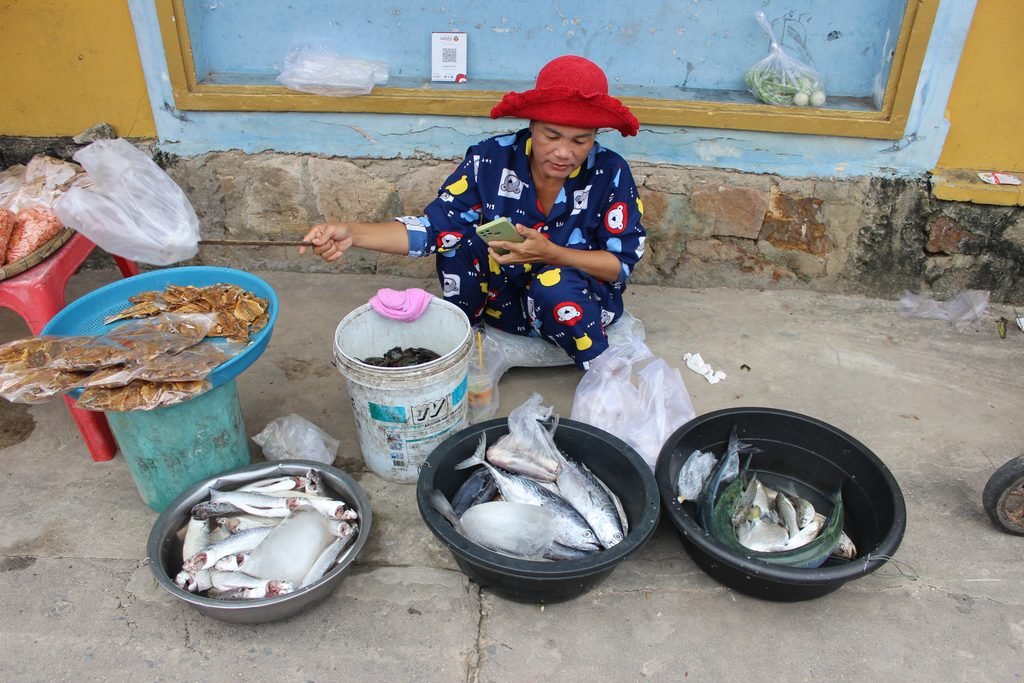
Cambodia is highly exposed to climate change. Its economy and food security depend heavily on agriculture, fisheries, forests, rivers and coastal ecosystems. Climate risks affect rice production, freshwater fisheries, ocean ecosystems and coastal livelihoods, as well as the communities that rely on them.
This year alone, Cambodia faced severe drought in June, directly followed by heavy rainfall that destabilized families that rely on farms and fishing for their livelihoods. The erratic weather is due to a “Super El Niño,” a natural climate cycle based on the Pacific Ocean that is intensified as the baseline global climate continues to rise.
Cambodia has also made commitments to reduce emissions and integrate greener solutions. In August 2025, Cambodia submitted its third Nationally Determined Contribution, known as NDC 3.0, to the UNFCCC.
Cambodia’s NDC 3.0 states that the country intends to reduce its emissions up to 55% by 2035, ramping up its previous pledge to reduce emissions by 42% over a 10-year period.
To reach that goal, Cambodia pledges in the NDC to increase the share of renewable energy sources to 72% of the total energy portfolio, halve the rate of deforestation by 2030, improve waste segregation and reduce the use of high-emissions substances like refrigerants and clinker in cement manufacturing.
Khvay Atitya, spokesperson for the Environment Ministry, said Cambodia is committed to its NDC 3.0.
“We have already prepared for COP31 and show our commitment with the international communities that Cambodia continues to translate our national adaptation plan to cut greenhouse gas emissions and address climate change together,” he said. “We will be a part of negotiation, pushing towards climate finance to support developing countries.”
Cambodia has also joined global initiatives that link climate action to nature and the ocean. At COP30, Cambodia joined the Blue NDC Challenge alongside Belgium, Canada, Indonesia, Portugal, and Singapore. The initiative encourages countries to integrate ocean-based climate solutions into their NDCs.
The test for Cambodia
COP31 will not solve climate change in two weeks, but it can move countries closer to a system in which climate promises become funded action.
For Cambodia, success would mean clearer pathways to adaptation finance, stronger support for locally led solutions, and recognition that forests, marine ecosystems, and communities are central to climate resilience. Failure would mean another round of commitments without the money, access or implementation support needed to protect people already living with climate impacts.
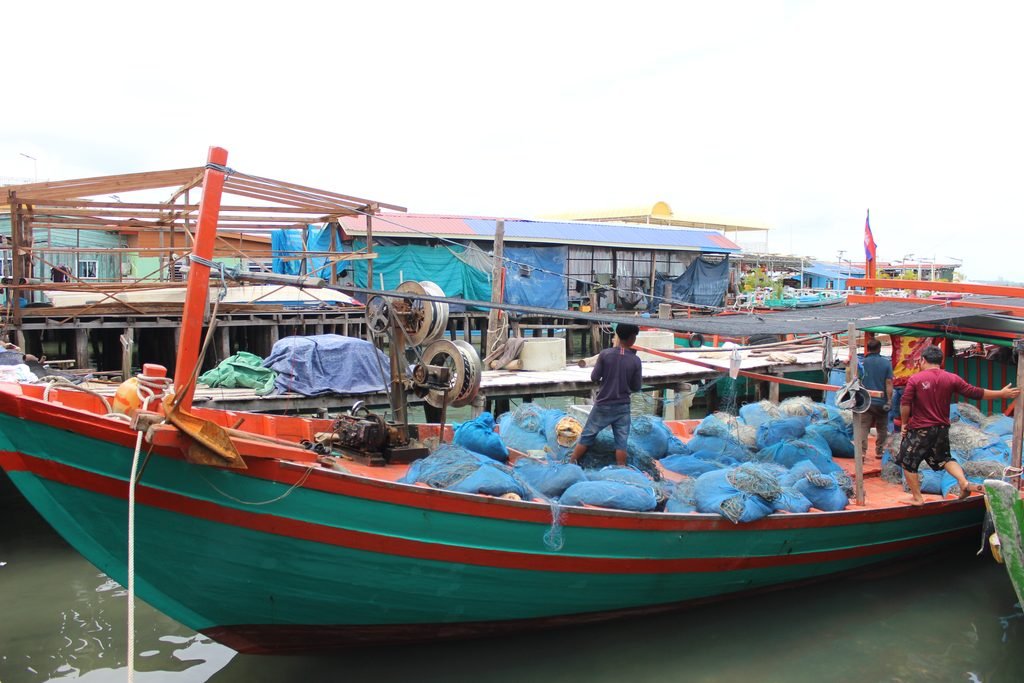
In a coastal community like Koh Kong province’s Koh Sdach commune, Sorn Srenh, the deputy commune chief and marine advocate, said rising sea temperatures threaten coral reefs, adding another layer of risk to fisheries and marine biodiversity. He argues that community action is essential, but conservation also needs sustained technical support and resources from government and NGOs.
“We need support not only from the government but also from NGOs working on ocean protection to mobilize resources. Most important is direct support for our community,” he said. “Conservation succeeds when people across the community are involved, but we still need long-term support from partners for skills development and technical assistance.”
This story was supported by Informed Earth.