
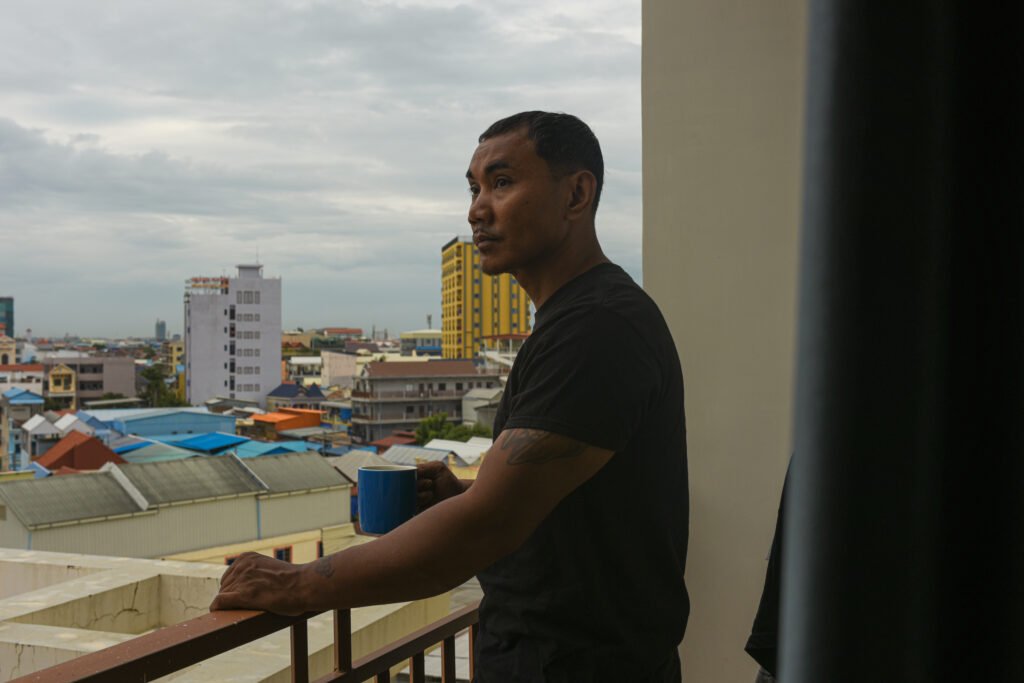
For a time after arriving in Cambodia, Pheap Rom spent his days on his friend’s porch, watching cars and motorbikes pass through Phnom Penh’s Toul Tompoung 1 neighborhood.
The friend that he stayed with was exasperated, Pheap Rom said, telling him to go outside, explore the capital, get lost in the city. When he asked why Pheap Rom wouldn’t move, he said he was afraid.
“It’s in my head bro,” Pheap Rom said he had explained to his friend back in late March. “When you’re so traumatized and institutionalized, your mentality, it’s like you want to go, but you’ve been bashed and bashed and bashed and bashed for so long that it’s embedded in my mind, in my instincts.
“I wanna go, but I can’t.”
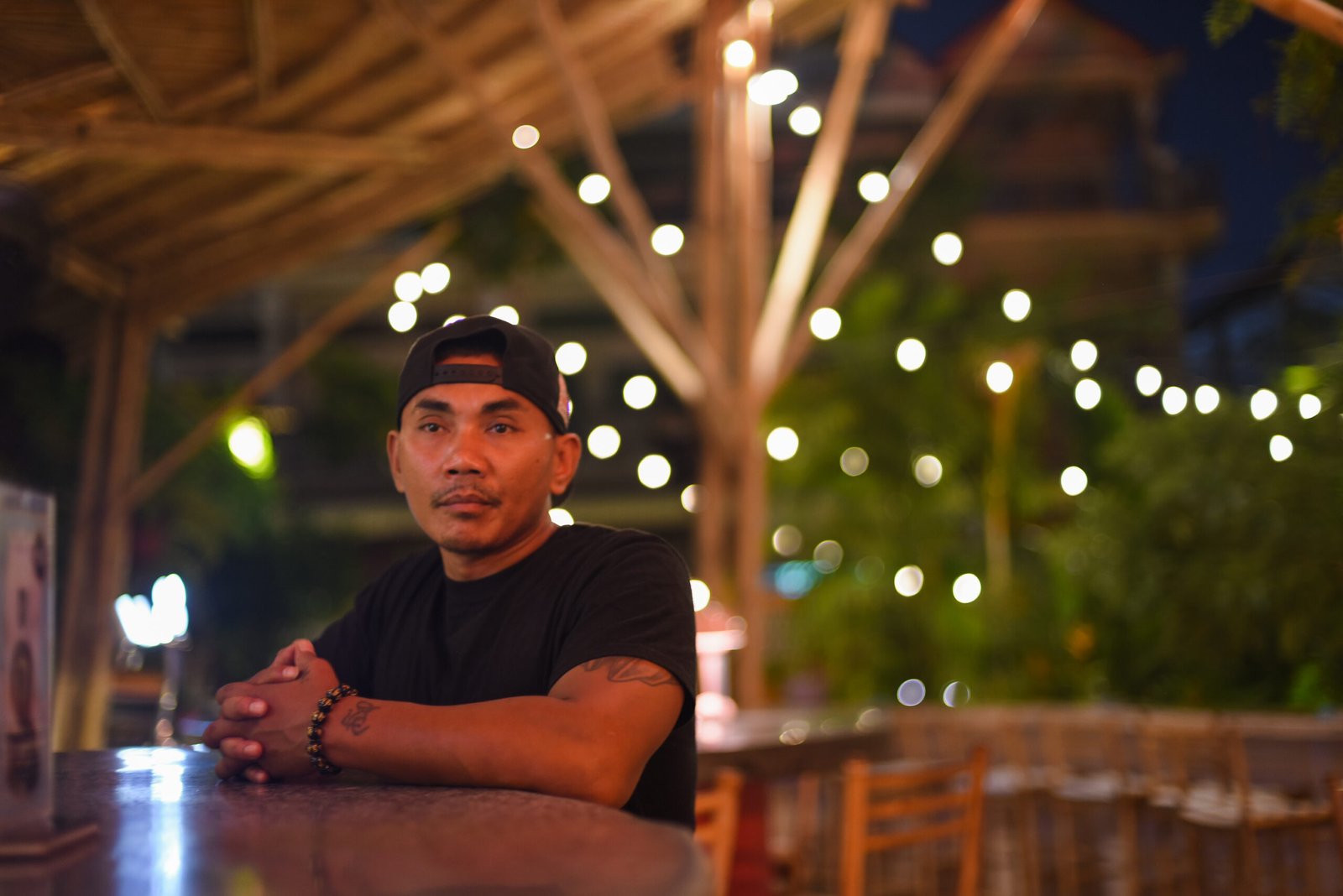
Phnom Penh is the first city where Pheap Rom, 43, could walk as a free man in 17 years. He came to the U.S. as a Cambodian child refugee, went to prison for 15 years only to be detained again by U.S. Immigration and Customs Enforcement (ICE), before being flown to a high-security prison in Eswatini, in southern Africa.
Now in Phnom Penh, he is looking for new job opportunities, all while trying to unpack nearly two decades of confinement as a result of the U.S.’s frigid treatment of refugees.
More than 1,400 people with origins from the five Mekong countries have been forcibly removed from the U.S. in the first 15 months of the Trump administration’s ramped-up campaign of deportations, according to an analysis of U.S. immigration data by Mekong Independent. Both the figures and advocates say that the volume of enforcement actions have increased dramatically under the second term of Donald Trump’s presidency, and that’s left advocates in the U.S. in a much harder place to help these stateless populations adjust.
A steep escalation
The U.S. government has had a removal program targeting people without full citizenship documents since 1996, allowing an immigration judge to deem a person deportable over anything from criminal convictions to civil issues, like delaying a check-in with immigration officials. But under Donald Trump’s second term, the number of deportations have skyrocketed.
Judges are now issuing removal orders for roughly 50,000 new people every month across all nationalities, per the Transactional Records Access Clearinghouse. The highest was 79,000 distributed in June this year.
Mekong Independent’s own analysis of deportation data maintained by two U.S. universities, UC Berkeley and UCLA, show an extreme uptick in deportations of people from the five Mekong countries under the current Trump administration.
Across the arrest and detention data available in the Deportation Data Project — between October 2022 and March 2026 — a total 1,532 individuals who have been identified by the U.S. Department of Homeland Security as citizens of Cambodia, Laos, Myanmar, Thailand or Vietnam were deported, either to their country of citizenship or a third country. A total of 1,435 of those individuals — or 93.7% — were deported from the U.S. between Donald Trump’s inauguration on January 20, 2025 and March 2026, the latest available data in this set.
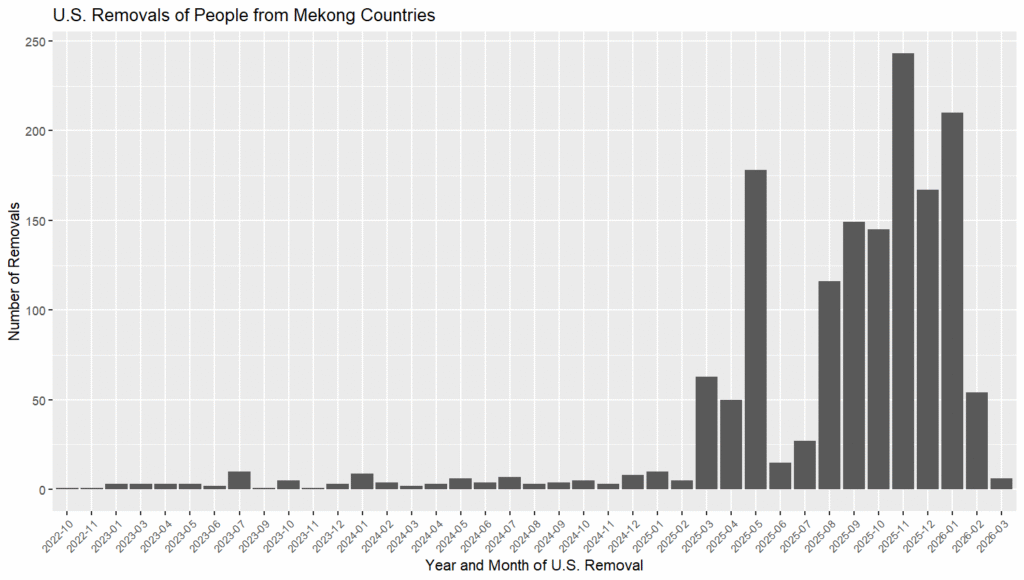
Some 780 people of Vietnamese background were deported during this Trump administration; followed by 425 individuals with heritage from Laos; then 97 Cambodians; 91 of Myanmar heritage; and 42 Thai.
Out of 92 Myanmar citizens deported in the dataset, 91 of them were deported during the current Trump administration. Some 87 individuals in that group were deported to Myanmar, amid the country’s extended civil war. One was deported to South Korea, while the other four were sent to South Sudan in Africa. Mekong Independent could not make contact with a Burmese-founded law firm that assists people from Myanmar with removal orders as they are currently ‘managing a heavy workload and are occupied with ongoing court cases’.
| “Citizenship” Country | Deportations between Oct 2022 and Jan. 20, 2025 | Deportations between Jan. 20, 2025 and March 2026 | Total Deportations (Oct 2022 to March 2026) |
| Burma (Myanmar) | 1 | 91 | 92 |
| Cambodia | 39 | 97 | 136 |
| Laos | 2 | 425 | 427 |
| Thailand | 16 | 42 | 58 |
| Vietnam | 39 | 780 | 819 |
Source: The Deportation Data Project, with calculations by Mekong Independent
Long-term refugees
Not only has the rate of deportations increased, but the situation and condition of individuals themselves have grown more complex, and often more detrimental, said Quyen Dinh, executive director of the Southeast Asia Resource Action Center, a U.S. nonprofit that specifically helps people from Cambodia, Laos and Vietnam amid and after the U.S.-Vietnam war.
“There’s been a difference in the characteristics of the folks that are being impacted, we’re seeing that Vietnamese and Laos community members have been more impacted in the last year and a half,” she said.
She observed that an increasing number of deported individuals from Cambodia, Laos and Vietnam were elderly, which makes sense given that most people without full citizenship documentation in the U.S. would have arrived as conflict refugees in the 1970s and early 1990s.
However, Quyen Dinh noted that previous diplomatic policies would have protected some members of these groups, such as a memorandum of understanding between the U.S. and Vietnam meant to protect refugees who arrived from Vietnam before 1995 because of their status as war refugees. ICE began detaining longer-term Vietnamese residents in 2017 for longer periods during Donald Trump’s first term, though they were often released eventually because of legal challenges referencing the MOU.
By Donald Trump’s second term in 2025, ICE was enabled to deport these individuals.
“We know that ICE and DHS have major discretion to protect individuals from being deported,” Quyen Dinh said. “It is because of the politics of this admin that … [ICE] have escalated fear [amongst] and violence against these communities.”
This older population of pre-1995 refugees are more likely to have health conditions or struggle to adapt to the countries they fled amid conflict.
Quyen Dinh has also noticed a trend to “self-deport” among people facing removal orders so they can avoid apprehension and detention, and thus be able to leave on their own terms, she said.
“That’s a horrible choice that our community members should never have to make,” she said.
The escalation of raids has left SEARAC in a triage situation, where they pull away some focus from other work on resources and representation of people from Cambodia, Laos and Vietnam.
She called the U.S. deportation actions a “perpetual state of violence” committed against people who had arrived as refugees seeking security.
When the South Vietnamese capital of Saigon was successfully taken by the Northern Vietnamese Army in 1975 and the country reunified, the U.S. took in more than 300,000 Vietnamese who fled the country in the fallout. The people who could make it to the U.S. – and many did not – were allowed to stay. However, they were reliant on private support, from churches or other charities for support, and they weren’t always able to easily obtain U.S. citizenship through their original entry status as refugees. People from Cambodia and Laos, whose countries were also victimized by a 10-year bombing campaign that was hidden from U.S. public knowledge came as refugees as well.
The tides of people fleeing Southeast Asia led the U.S. to develop its Refugee Act of 1980, which helped streamline the process of allowing refugees to resettle in the U.S. But the lack of policies and assistance to Mekong countries fleeing war and its aftermath left them more exposed to crime risk at a young age, and eventually deportation risk as they aged.
“The reasons why these individuals are in these situations is because of U.S. policies that allowed refugees … to resettle in communities with little or no resources,” Quyen Dinh said.
Vietnamese refugee communities may further face negative perceptions after deportation, seen as an extension of the ‘imperialist South Vietnam’. Under a BBC Vietnamese Facebook post about a person deported to Vietnam under the Trump Administration, the comment section was flooded with hate speech calling boat refugees ‘traitors’ who deserved this ‘karma’, saying Vietnam ‘will not accept traitors and criminals.’
A private jet to Eswatini
In the past, Tin Thanh Nguyen worked to pause or null pending removal orders, but the nature of deportations changed under the Trump administration.
The lawyer, with offices in Charlotte, North Carolina and Ho Chi Minh City, said that he began providing assistance in several third-country removal cases within the past two years, including Pheap Rom’s case. He said that this action, while it may have been used in the past, was not conducted at this scale before 2025.
“The [U.S.] government line is erroneous and full of lies, they wanted third-country removals to happen, so they needed a certain profile” in order to justify the current situation, he said.
Third-country removals are deportations from the U.S. in which the person is sent to a country other than the one where they lived prior to deportation. The second Trump administration has struck new deals with other countries’ governments to accept third-country deportations, including the Central African Republic and Eswatini.
Senate Democrats have raised complaints about the new use of third-country removals, saying that they were costly, wasteful and were created by making problematic deals with countries whose governments are accused of corruption, human rights abuses or other issues.
Cambodian-American Pheap Rom remembers the process of his deportation to Eswatini as years of new trauma, long after he already was rehabilitated for a crime.
Shortly after completing his 15-year sentence ended for a crime he committed in his early 20s, Pheap Rom, was transferred to the private-owned immigration detention center at Pennsylvania’s Moshannon Valley Processing Center despite the recognition of his good behavior and evidence of reform in prison.
He said the site was overcrowded, and the facilities were aged and dirty.
“People were committing suicide, and the staff were established racists,” he said, adding they treated people from Mexico, Central and South America with additional cruelty.
After being transferred to a final removal immigration center, Alexandria Staging Facility in Louisiana, Pheap Rom said he realized he wasn’t going to Cambodia only on the day of his deportation.
He heard his name called for a deportation flight, or maybe a transfer, but didn’t recognize the name of the location on the computer screen. He consulted another detainee, headed for the same location.
“I ask him, ‘Where’s Eswatini?’ And he says, ‘That’s East Africa bro.’”
Pheap Rom said that they loaded him and nine other men into a Gulfstream GV Jet on October 4 — though Mekong Independent couldn’t confirm the brand, ICE has been known to use private jets for deportations. They sat knee to knee, he said, taking various stops to refuel and pay airspace usage fees to various African countries, until they arrived in Eswatini to a row of armed military officials, Pheap Rom recalled. He was marched into a van, and he said he got a bad feeling.
“I was just praying, if they’re gonna shoot us, send me into the gates, please,” he said, referring to heaven.
Instead, he was sent into Mastapha Correctional Center, described as a “super maximum” security facility. Pheap Rom said at this facility he was treated with basic dignities and hygiene — a step up from his experience across three ICE detention facilities in the U.S. — but he was still detained.
“Why is it even legal to throw someone who hasn’t committed a crime in your country in super maximum prison?” he said in Phnom Penh.
Pheap Rom survived for five months in the Eswatini facility, eating simple prison meals of broth and rice, lobbying the warden and prison staff for better treatment for his cohorts. He passed his time with bodyweight exercise routines and walking while reading — habits he developed throughout 17 years of detention. While he was there, Pheap Rom’s sister successfully got in touch with the Cambodian Foreign Affairs Ministry, which interviewed him in February. On March 26, Pheap Rom walked through the arrival gate at Techo Takhmao International Airport.
Lack of resources upon arrival
Chanida Phaengdara Potter, managing director of the U.S.-Laos nonprofit ROOTS Laos, said that many observers see immigration issues, including deportations, as a political issue. But their situation upon arriving in most countries is statelessness, creating a whole new humanitarian crisis.
“Laos is literally facing its own refugee crisis because the U.S. decided it,” she told Mekong Independent in a call.
Upon arrival in Laos, returnees from the U.S. are temporarily held for at least a week in a facility in Vientiane before processing. They can be signed out when a Laos citizen takes responsibility for their safety and local government check-ins. But even this early stage of processing is a new challenge for Laos to handle administratively — especially as Laos received few deportations before the second Trump term began.
An unprecedented number of people have been deported to Laos from last year to present, with new arrivals roughly every week.
Mekong Independent’s analysis showed a steep rise in Laos returnees from the U.S. — increasing from two deportations of people from the country between 2022 and early 2025, to 425 from January 20, 2025 to March 2026. Chanida Phaengdara Potter said she’s heard that more than 800 have been deported over the last 14 months, basically from April 2025 to early July when she spoke to a reporter, and she believes the U.S. government is aiming to deport all people with Laos origin who have removal orders, even if they were allowed to stay in the U.S. in the past.
Part of the biggest challenge has been communicating to people who were sent to Laos and their families about what they need to do when they arrive in Laos.
“They are deported into statelessness again,” she said, adding that U.S. residents who came from Laos as refugees often don’t have documentation in Laos nor know any relations in their country of origin. “They cannot work, live and play as normally as you think they would. They can’t buy a car, can’t buy a home … can’t leave the country. There’s a lot of this on the legal side of things that we’re trying to address.”
Many were older and some struggled with mental health issues, sickness or poverty. Some were arrested in elderly care facilities, Chanida Phaengdara Potter said.
Through her work with ROOTS Laos, she had learned of three deaths of returnees within a few weeks in June and July: Two of the fatalities were related to medical issues, one was a suicide, and “all were preventable,” she said. Other returnees can’t find resources and can’t get support from family and friends.
“This is what the United States of America is doing, and it’s very concerning and something to flag: Why aren’t [officials] deporting people who are perfectly fine doing their own caretaking?”
Chanida Phaengdara Potter said that she had been working on Southeast Asian-American community issues for decades, but moved to Vientiane when she realized the scale of the problem for those who came to the U.S. as refugees from Laos. Not only were there fewer returnees to Laos in the past, but USAID used to provide some financial support for organizations that helped returnees in Mekong region countries. The Trump administration dismantled USAID shortly after the U.S. president’s inauguration, at the same time that it escalated deportations to the region.
“I think there needs to be a bigger public outcry over how can we as an international community come together to support their survival and how they can thrive,” she said.
A long, limited path to freedom
There are a very limited number of ways to prevent oneself and others from deportation, Cambodian-American Mony Neth learned, and most attempts will cost years. When he was arrested by ICE in 2017, he was in the process of getting his criminal record expunged: He had already served time for crimes he was convicted of as a 19-year-old, released early on good behavior. He was filing to clear his record while training for a new career certification.
In a call with Mekong Independent, Mony Neth, who came to the U.S. as a child refugee from Cambodia, said his case had been noticed by the Asian Law Caucus, and they helped him prove evidence of good behavior, while also filing a lawsuit to try to allow those with removal orders more time and opportunities to find defense and demonstrate their right to stay in the U.S.
“We’re just trying to get the right so that if ICE wanted to deport someone, we just want to give a chance to find proper representation,” he said. The case ended in a settlement, but not before he had spent months in a California county jail as an immigration detainee.
Mony Neth, now 51, said he was pardoned by the California governor and his legal case was settled in 2024. He also received citizenship in the U.S., ending his fears of deportation by ICE.
He said he’s tried to warn other friends who arrived as refugees to seek out citizenship as soon as possible, and try to expunge their past criminal records if they had them. But he still carried the trauma from his 2017 detention, and all he had to do to prove his citizenship in the U.S.
“It’s frustrating sometimes to prove yourself over and over again,” he said, adding that he still felt subjected to scrutiny when he made his application for U.S. citizenship.
“Even when I went to the citizenship interview, I had to do it three times. … They kept asking for documents even though it was right there in front of them.”
Tin Thanh Nguyen, the lawyer with law offices in the U.S. and Vietnam, said he was looking for cases to show abuse of power and violations of civic and legal rights in order to take more substantial actions against ongoing third-country removal cases. However, they face an uphill battle, as ICE is rushing to complete deportations, and it will take time, research and substantial resources to effectively challenge the legality of the U.S. immigration system.
“We’re traversing a whole new legal landscape with every one of these cases,” Tin Thanh Nguyen said. “Traditional lawyers without the understanding of Southeast Asia wouldn’t take on these cases.”
Though Pheap Rom still believes the U.S. Department of Homeland Security violated his legal protections — even as a resident without full citizenship — he is instead focused on adapting to life in Phnom Penh.
Everything is new, he said, from the way people drive (trading the U.S.’s car culture for a motorcycle) to how they party for Khmer New Year (blasting water guns and throwing baby powder that would ruin the neat silk shirts and new kicks he used to wear for a Cambodian-American New Year party).
Five months free, Pheap Rom said he could finally take his friend’s advice and just get lost in Cambodia.
“There are days I would go out for a ride and just ride, and come back hours later, and just relax,” he said. “I need to do that because it’s gonna help me mentally and become a little more comfortable to the locals.”
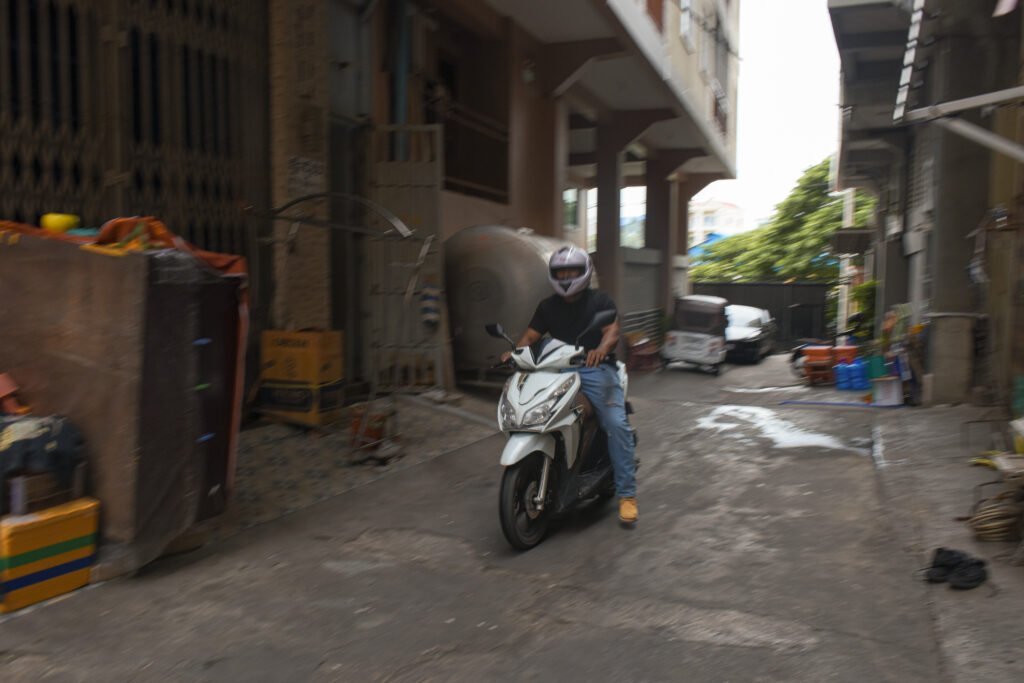
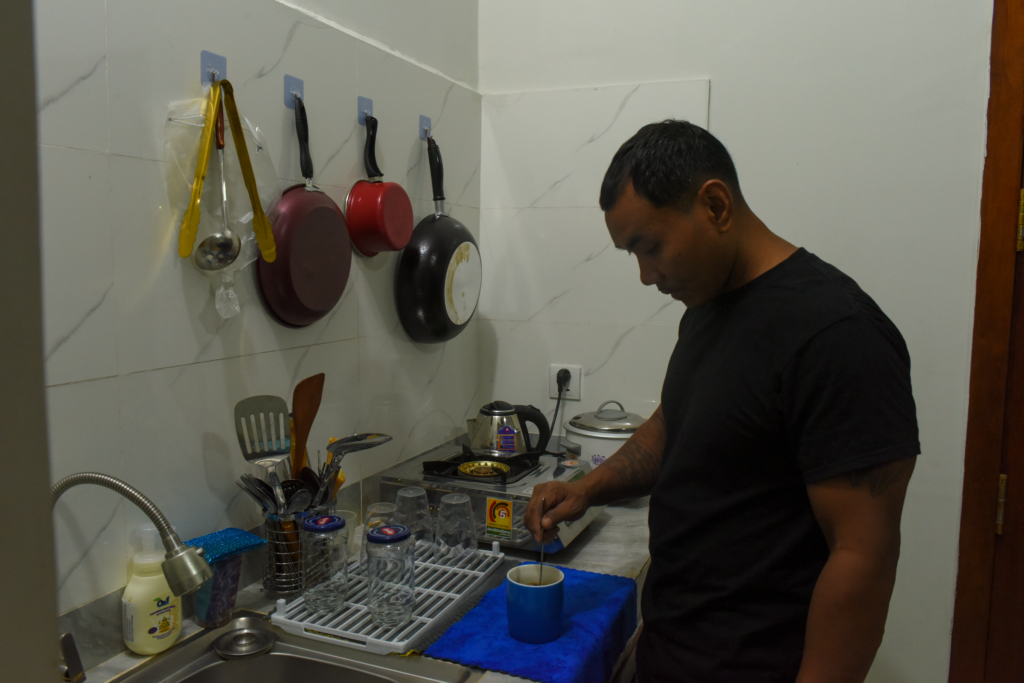
Pheap Rom got a national identification card and a family book in Cambodia, and he found on-and-off jobs, installing air conditioning units and as a security guard for an event. He can finally get a passport, once he makes the time to apply.
Even with his freedom, he’s still thinking of his peers in Eswatini, especially the men from Laos, the Philippines and Vietnam, still waiting to get out. He said he saw four new people from African countries arrive in Eswatini, just before he departed.
“All of the deportees, we all deserve due process. I know that I’m free but there are still people,” he said. “I just want people who read this and the governments of those people’s countries, Vietnam, Laos and Philippines to be open minded to repatriating their citizens back, because they’re trapped in a prison.”
Additional reporting by Nguyen Phuong-Anh
This article is published as Creative Commons.
US deportations to Mekong countries accelerate
- Total
- 1,532 deportations
- By year
- 2026*27020251,1682024582023342022*2