
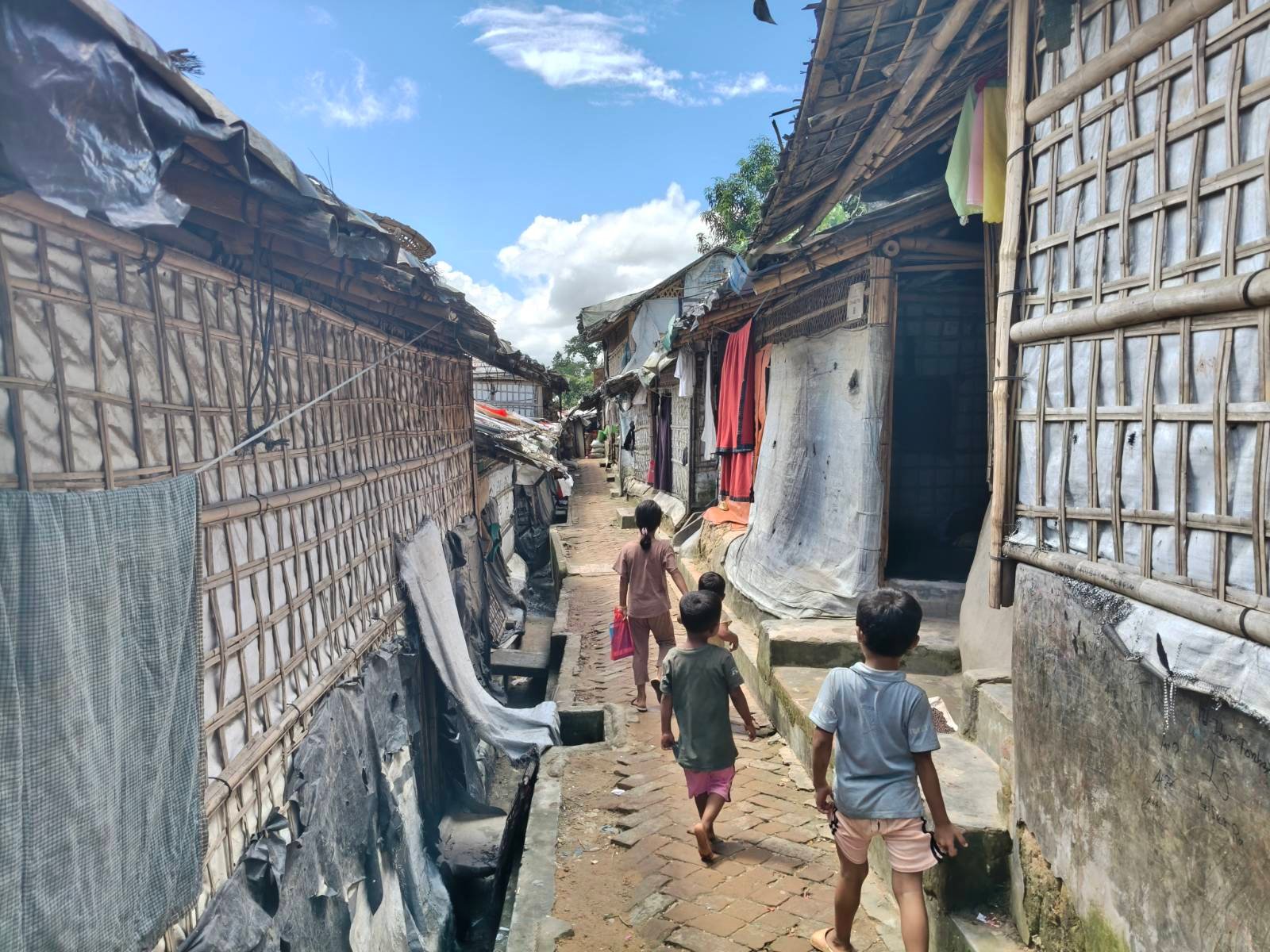
Mohammed Hares was traveling from Camp 14 in Cox’s Bazar to meet a friend when he was grabbed by a group of men near Kutupalong market.
The men dragged him to a nearby building and brutally beat him, bruising his eyes until he couldn’t see.
“They covered my mouth with plaster and took me to a place I did not know,” the 17-year-old said. He asked the men for some water, which he believes was spiked with a drug.
“After drinking it, I lost consciousness and became paralyzed and could not even move my legs,” he added.
Mohammed Hares was a victim of daily abductions happening in Rohingya refugee camps in Bangladesh. UNHCR, the U.N.’s refugee agency, reported that 169 incidents of abduction and kidnapping took place from January to March 2026, a 14% increase from October to December 2025.
But advocates say the numbers are likely higher.
Militants’ funds
Many families choose not to report the abductions, fearing retaliation, said Rimas Khan, a Rohingya women’s activist.
An armed group abducted her own 10-year-old son in late January and returned him only after the family paid a ransom of 300,000 Bangladeshi taka (around USD $2,450).
The Arakan Rohingya Salvation Army (ARSA), Rohingya Solidarity Organization (RSO), and Arakan Rohingya Army (ARA) are linked to the kidnappings, among other unidentified groups, Rimas Khan said.
The militant groups, each ranging from 500 to 5,000 members, compete for control and influence in Bangladesh refugee camps. They fund their activities through networks of drug and human trafficking, kidnappings for ransom, and donations from their supporters.
While they originally formed to fight the Myanmar military, most now have shifted their focus to the insurgent Arakan Army, clashing over territory and accusations of collusion with the Myanmar military, as well as tensions over crimes against Rohingya.
While the Rohingya militant groups claim to fight for the rights of the Muslim minority, all have been accused of kidnappings, forced recruitment, and human trafficking.
Mohammed Hares’s family waited into the evening for him to return on July 20. Twelve hours after he disappeared, his father, Sayed Alom, received a call on the messaging platform WhatsApp.
“They told me that my son had been kidnapped,” Sayed Alom said. “After hearing the news, I lost consciousness.”

He also received photos of Mohammed Hares with a knife to his neck, demanding 500,000 taka (over $4,080). When the father pleaded with the kidnappers, explaining his family was poor and dependent on humanitarian assistance in the camps, they lowered the ransom to 200,000 taka (over $1,630).
“They threatened me, saying if I could not send the money within one day, I should come and take my son’s dead body,” Sayed Alom said.
He has chosen to speak out because he wants the world to know what happened to his son and to ensure other families do not face the same nightmare, he said.
Other families also said they hoped to break the silence and draw attention to the danger faced by Rohingya families.
Daily risks
Community leaders and refugees say the motives of kidnappings vary. For some criminal networks, kidnapping is primarily a way to make money through ransom. Other groups seek to recruit abductees into armed groups.
“From what I have seen, financial gain is one of the main reasons behind these abductions,” said Solim Ullah, a community leader from Camp 14.
Sayed Alom borrowed the money from relatives and community members in the camps, and his son was released six days after the kidnapping.
He’s grateful to have his son back, but his family is now saddled with a different problem.
“I don’t know how I can pay back the debt,” Sayed Alom said. Refugees are prohibited from working in Bangladesh, leaving many with limited options for earning money.
Kidnappings are also becoming an increasingly common way for armed groups to exert control over vulnerable populations in recent months, camp staff told Mekong Independent.
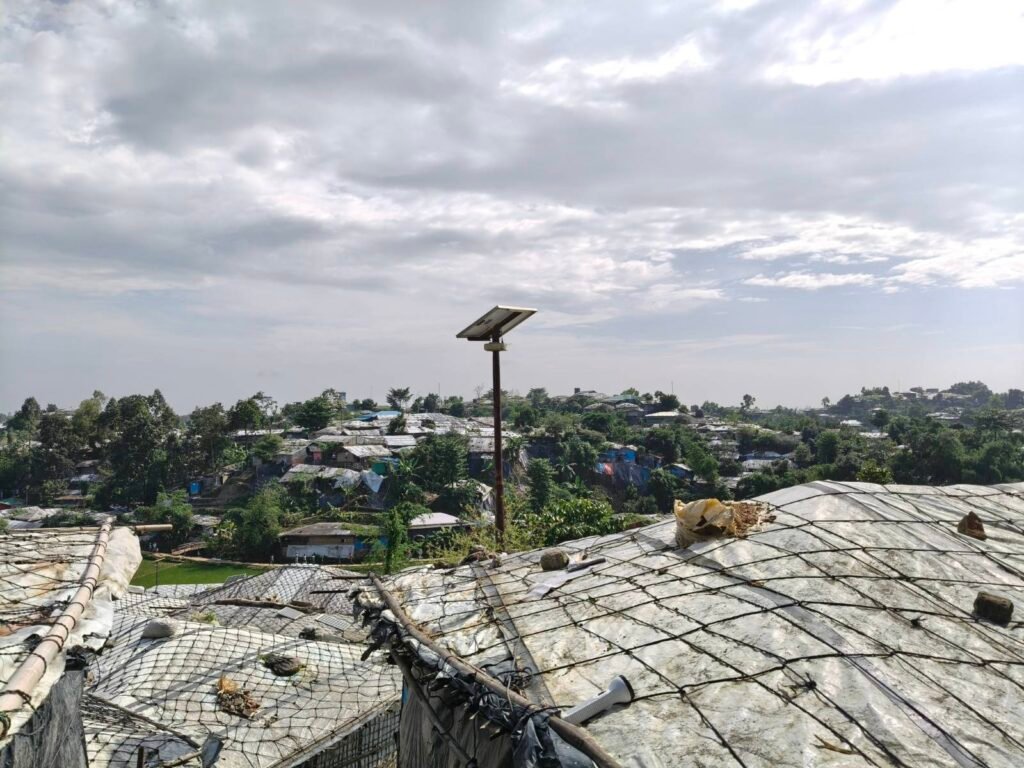
Families reporting cases of kidnapping increased from five in June to eight in July in Camp 14 alone, said Zawkir Ahmed, a Bangladesh Rural Advancement Committee protection staff member. There are 33 densely populated camps in Cox’s Bazar.
But even these numbers are likely not reflective of the total, he added. Refugees are forced to contend with risks even in simple daily tasks, such as walking to the market or visiting relatives.
Mohammed Zubir, a community leader, said families reported 14 kidnapping cases to him during July in Camp 18, compared to nine in June.
“Families come to me with concerns about missing kidnapping relatives. Some say they received ransom demands,” Mohammed Zubir said. “Others don’t know where their family members have been taken. This has created a lot of fear in the community.”
“You cannot move freely without thinking about what might happen,” said Shobi Alom, a religious leader in Camp 26. “Families are afraid when their sons or daughters leave home.”
Desperate for jobs and barred from attending accredited schools, young people are particularly vulnerable to groups offering money or opportunities outside the camps.
Some, like 23-year-old Solamot Ullah, were promised transit to Malaysia, where they can find better jobs to support their families.
Solamot Ullah found work carrying aid and equipment into the camp, which was the primary source of income for his family.
“He was the one who worked and fed me,” said his father, 63-year-old Ali Akbor.
Brokers told Solamot Ullah that he could go to Malaysia to get a job. Instead, they took him to Myanmar and asked his father for 100,500 taka (about $820) for the journey.
Ali Akbor fears his son may have been abducted instead.
“Since then, I have received no information about my son,” he said. “People are telling me that the boat Solamot rode capsized in the Irrawaddy on July 8, 2026. I don’t know whether Solamot is alive or dead.”
‘We kept waiting’
For some families, the fear is not only that their relatives will be trafficked out of the camps. It is that they may disappear inside them first.
Tabarek Hussein’s 5-year-old son, Alham, went outside to play with friends after breakfast on June 14.
When Alham didn’t return, his father searched around their home in Camp 9, thinking the young boy might have lost his way home.
The family’s fears increased when they received threatening messages, photos and videos from kidnappers, demanding 1 million taka (over $8,145) for their son’s return.
“We were terrified, but we hoped that if we paid the money, they would return our son safely,” Tabarek Hussein said.
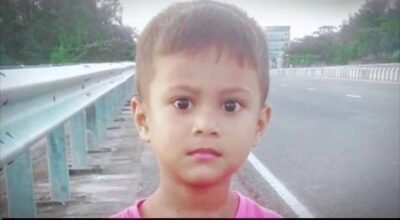
The family managed to pay 400,000 taka (nearly $3,260) after getting donations from relatives as well as loans, but Alham never returned home. Instead, the kidnappers demanded more money and sent threats, but the family couldn’t pay it.
Twelve days after his disappearance, Alham’s body was found in some bushes near the Myanmar border in a severely decomposed condition, according to his father.
“We kept waiting for our child,” he said. “We hoped every day that he would come back.”
Recently, suspects of kidnapping plots have been arrested across multiple camps, said Refugee Relief and Repatriation Commissioner Mohammed Mizanur Rahman. He added that they were “monitoring locations where we believe kidnappings may take place,” and working with the Bangladesh Armed Police Battalion to improve security.
Despite increased police presence, families are still afraid, said a social worker.
Some have taken to keeping children indoors as much as possible, afraid to send them outside to play. Mohammed Rofique, who lives in a refugee camp in Cox’s Bazar, has two children, a boy and a girl.
“We only want to live without fear,” he said. “We want our children to be able to go outside and come home safely.”
This article is published as Creative Commons.