
All the sources interviewed in this story used pseudonyms, in order to avoid complications in Cambodia or upon returning to their home country.
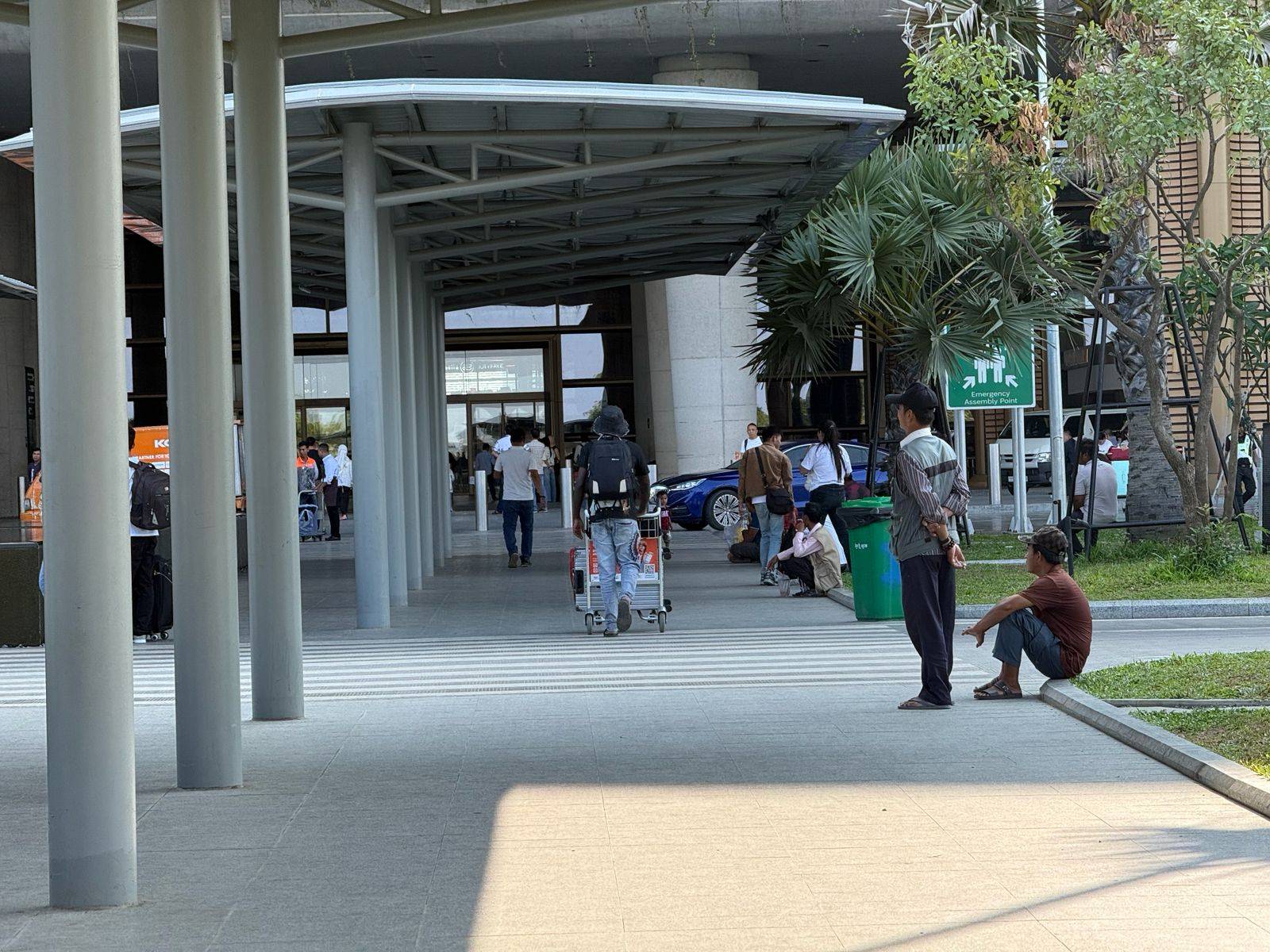
After three hours in the Techo Takhmao International Airport processing his overstayed visa, Sean was able to board a plane and return to Uganda.
He knows he’ll have to start working immediately after he returns, as his mother had to take out a loan and sell her only cow to buy his ticket out of Cambodia.
“Inside I know that I have to recover the debt for my mom because she has borrowed the money and sold the cow that she loved so much,” he told Mekong Independent over Telegram, after he had landed back in Uganda. “There is nothing to do for her because she needs to help me return home.”
Africans who say they were trafficked into and detained in scam compounds are starting to return home, but most like Sean had to make significant sacrifices for their ticket home.
Without embassies in Cambodia, people from African countries say they didn’t know where to turn after they joined mass escapes from once-gated scam companies throughout January and February. Some were able to find guesthouses that would not require them to show passports, or look the other way when more people crammed into a room than they should.
Sean, in his early 20s, said he had come to Cambodia last year on the premise he would work as an accountant. Instead, he ended up in a compound in Bavet city.
When the former scam workers left their compounds, many went to the office of the U.N.’s International Organization for Migration in central Phnom Penh, hoping they could get help. Sean said he had heard nothing from IOM. Others waited in front of an intake office for a shelter run by Catholic NGO Caritas, which was the only known charity to assist workers trafficked into cyberscam companies. Sean was told repeatedly that the shelter was full.
The Ugandan men who spoke to Mekong Independent said their embassy in Kuala Lumpur was slow in responding to their requests for help. They had received waivers for visa overstay fees, but spoke of rumors that there might be a “deadline” to leave.
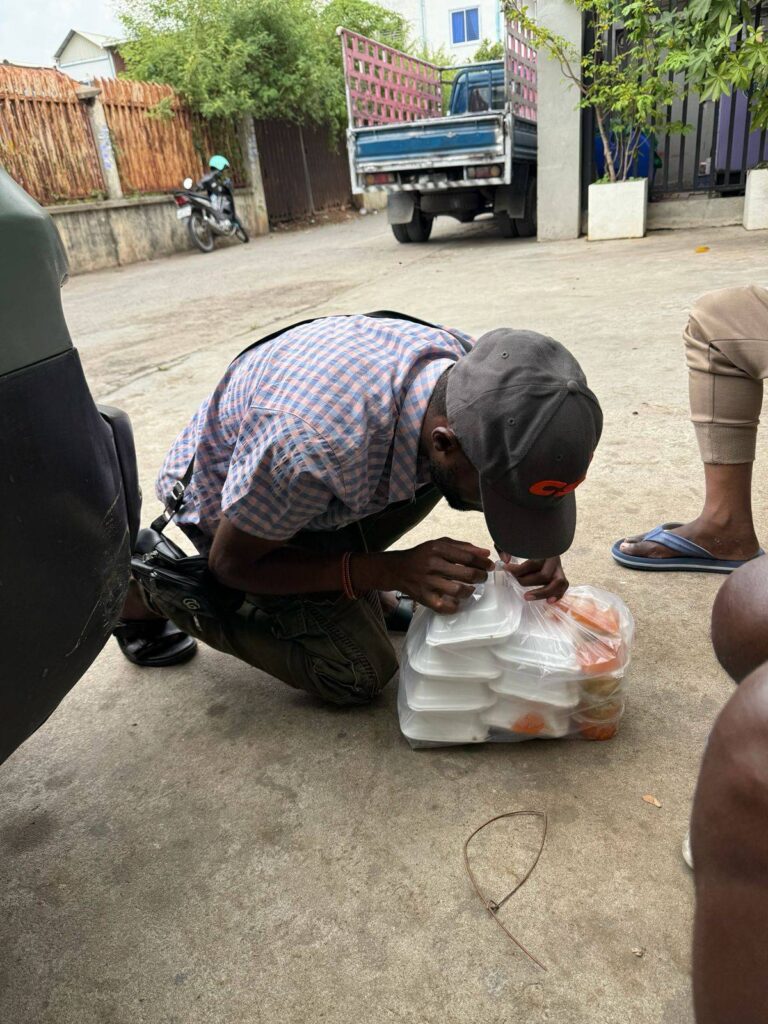
John, a 24-year-old Ugandan, was also waiting outside the Caritas office last week.
“Whenever I come they keep saying that accommodations are full and they will tell you, ‘We can’t do anything for you,’” he said, telling Mekong Independent it was his fifth time trying to visit Caritas within the last two months. “They’re supposed to give you hope, but they never give you hope.”
John came to Cambodia after learning from a friend that he could earn a salary of $2,200 per month there, and the company was so eager for English speakers that it would help workers get Cambodian citizenship. Instead, he was brought to Park 8 — a now notorious site of scam businesses that started opening up from January.
While he worked in Park 8, there was daily torture, he said. John witnessed workers beaten, tased and kicked, and he said his salary was regularly docked for poor performance. Once, his bosses decided to punish John by tying his hands together and putting him on a large ice cube, like those that are chipped up and sold by ice-making companies across the country.
“They will kill you,” he said. “They will take you and throw you somewhere, maybe in the river or in the lake. … Your friend will not see you again. People used to tell us that.”
He believes the bosses in his company got rid of one of his friends, another Ugandan man, this way. “They took him, but up to now I don’t see him.”
John is glad to at least have a ticket booked for March 19, following delays due to the U.S. and Israel’s attacks on Iran. John had to take out a loan to buy the ticket, using his family’s land as collateral.
“I will never travel to a country where there is no embassy,” he said, adding that the conditions inside and outside the compounds was too much to bear. “You fear the police too much. When police arrest you, maybe they can kill you. Or they can take you to prison for many years.”
A reporter met another three Ugandan men in front of the Caritas office on Tuesday morning who said they still faced difficulties. Two of them had flight tickets procured already, but the third said he could not afford it, and none of them had shelter for their remaining days in Cambodia. Chou Bun Eng, the permanent vice-chair of Cambodia’s national committee for counter-trafficking in persons, also visited Caritas shelter last week, according to local news reports.
Marcus, in his 20s, said that he had to sell two cows to buy his plane ticket back to Kampala, burning the funds he was saving for his future marriage. He said he didn’t have anything left to pay for housing for his remaining days in Cambodia, so he was waiting to see if he could get into the shelter.
He was told that a fellow Ugandan man could add him to a waiting list to enter the shelter, but that man had apparently blocked him on social media because of a quarrel, he said.
“Now life is getting harder, though he may add me [on social media] later but this thing has seriously affected me mentally and traumatized me.”
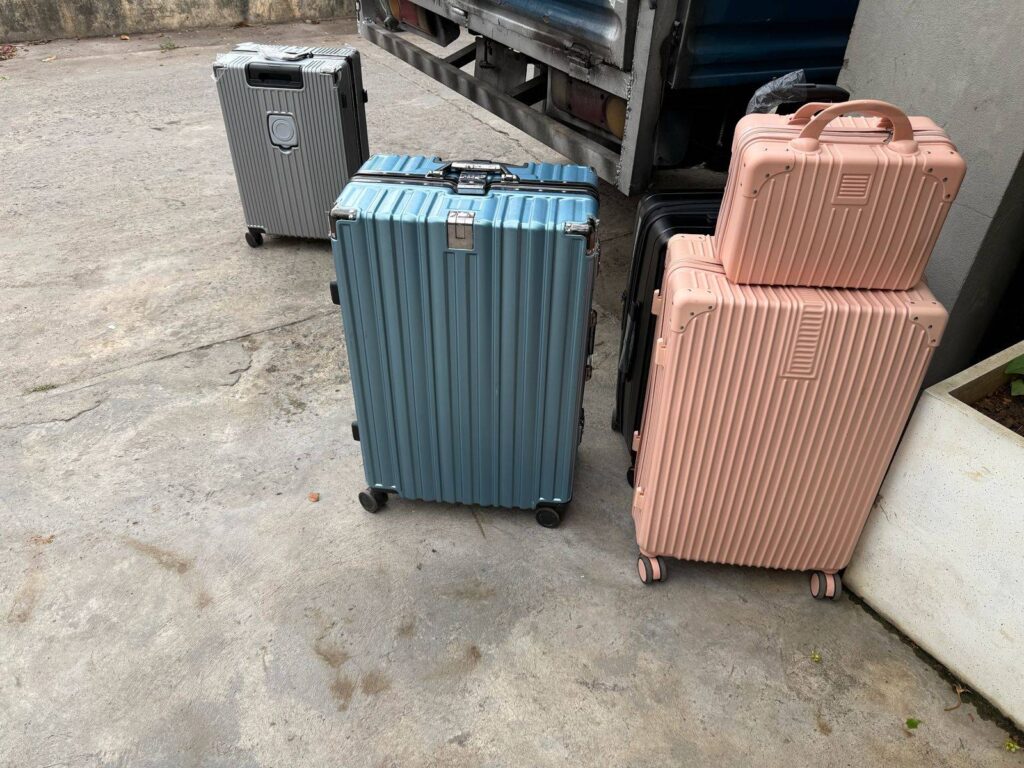
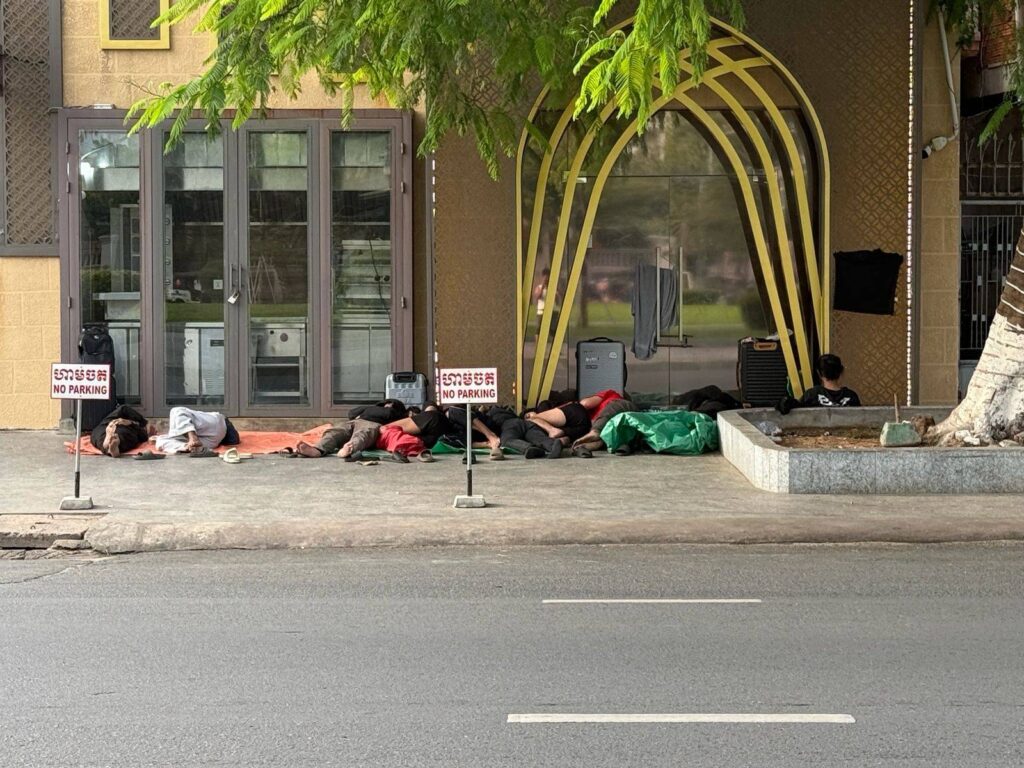
Jeffrey told Mekong Independent he wasn’t able to get any money from his family, so he could not buy a ticket home or afford to pay for guesthouses. Often, a friend would let him stay in their guesthouse room, but sometimes he would need to find a quiet corner somewhere outside to spend the night.
“I tried calling home. Tried applying for everything, but still failed. I don’t know,” he said. “Now the problem is getting the ticket. The problem is [finding] shelter.”
From back in Kampala, Sean told Mekong Independent in a series of messages that he was relieved to get home.
“I tried to seek a job for my expertise in Phnom Penh but no one accepted me,” he said. “Life became so hard.”
Though his family had sold their cow and was now in debt, he could work toward repairing his family’s financial situation.
“The storm is over.”
This article is published as Creative Commons.